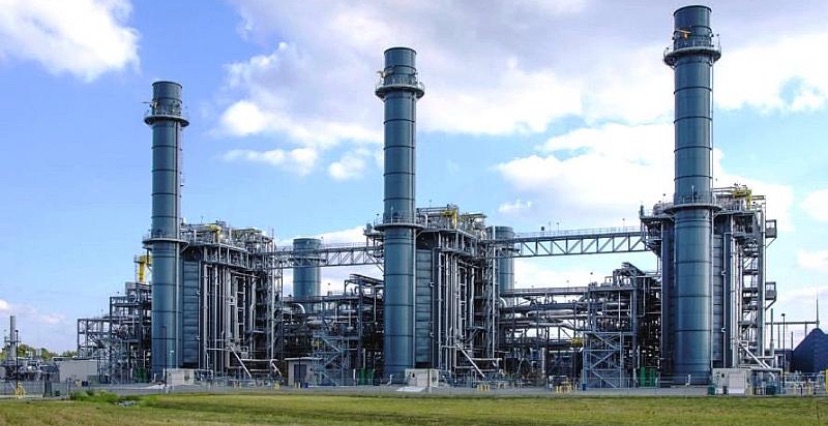

Nigeria’s plan to use its huge natural gas resources to improve electricity supply and boost economic growth is facing serious challenges. A new report by the Natural Resource Governance Institute (NRGI) says many of the country’s gas-fired power plants are old, poorly maintained, and producing far less electricity than they were built to generate.
According to the report, most of Nigeria’s gas power plants have already reached at least half of their expected lifespan, while some have gone beyond it. In many countries, similar plants continue operating for many more years because they receive regular maintenance and major upgrades. However, Nigerian power generation companies often lack the money needed to carry out these expensive repairs.
The report explains that steam turbine power plants in Nigeria have an average age of 44 years, even though they were designed to last between 30 and 40 years. Open-cycle plants average 15 years, while combined-cycle plants are about 20 years old. Most of these facilities were built during the early 2000s when reforms in the power sector attracted investors.
Despite these investments, the condition of many plants has worsened. Equipment failures, system breakdowns, overheating, cooling tower collapses, fires, and long maintenance shutdowns have become common problems. These issues have greatly reduced the amount of electricity the plants can produce.
The report revealed that in 2024, only three out of Nigeria’s 21 gas-fired power plants generated more than half of their installed capacity. Most plants operated at less than one-third of their capacity, while several remained completely inactive throughout the year.
Experts blamed poor gas supply, weak maintenance, financial difficulties, and operational challenges for the poor performance. The report also described the National Integrated Power Projects as some of the weakest-performing power assets, with several plants barely operating or shutting down shortly after completion.
NRGI believes Nigeria should focus on improving the performance of existing power plants instead of spending more money on building new gas-fired stations. The report noted that electricity generation from gas plants reached its highest level around 2016 but has continued to decline since then.
Today, Nigeria’s national grid rarely supplies more than 4,000 megawatts of electricity, which is almost the same level recorded ten years ago. This remains far below the country’s growing energy needs and leaves millions of Nigerians without reliable electricity.
To solve the problem, the institute recommends expanding renewable energy, especially off-grid and small-scale solar systems. It says solar power has already helped many homes, businesses, and communities that are not connected to the national grid. Solar energy can also reduce the heavy reliance on expensive petrol and diesel generators.
The report also welcomed recent reforms that allow states to create and manage their own electricity markets. However, it stressed that strong cooperation between federal and state governments, clear regulations, and increased investment will be necessary for the reforms to succeed.
Although renewable energy offers great opportunities, the report noted that Nigeria has yet to complete a large-scale solar power project. It urged policymakers to introduce investor-friendly policies that will encourage renewable energy while creating realistic plans for the future role of natural gas in the country’s electricity sector.