
The Lagos State Government has secured a permanent rail operating licence from the Nigerian Railway Corporation (NRC), marking a significant shift in Nigeria’s railway sector by ending the corporation’s long-standing position as the country’s sole rail developer and operator.
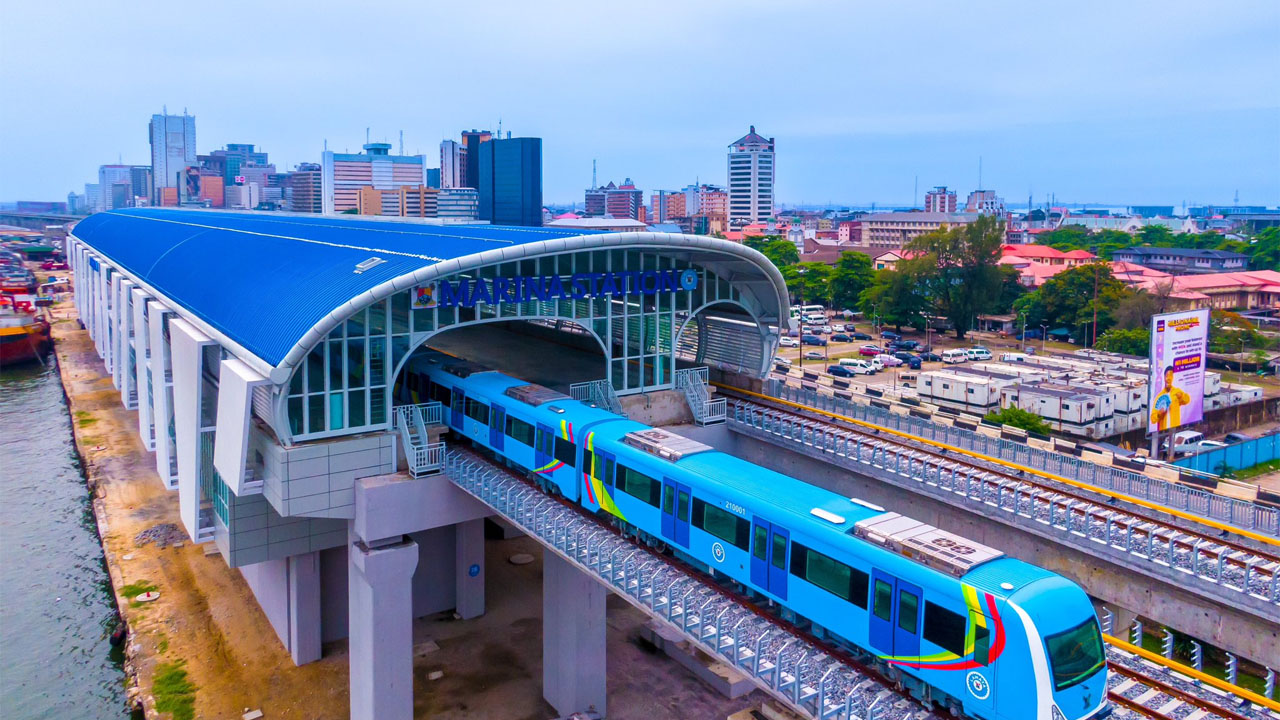
The licence was formally presented to the Lagos Metropolitan Area Transport Authority (LAMATA) during an official ceremony in Lagos, following more than a year of successful operations on the Lagos Rail Mass Transit (LRMT) Red Line under a temporary operating permit.
The permanent approval authorises LAMATA to operate passenger and freight rail services on the shared NRC corridor through a Track Access Agreement, a regulatory arrangement that defines how multiple operators use the same railway infrastructure while maintaining safety and operational standards. The agreement establishes clear responsibilities between federal railway assets managed by the NRC and Lagos State’s rail infrastructure.
The licence also extends beyond the Red Line. It provides regulatory backing for operations on the Blue Line and creates a framework for future rail mass transit projects developed by the Lagos State Government. The development strengthens Lagos’ position as the leading sub-national government driving urban rail investment in Nigeria.
For commuters and businesses, the approval is expected to accelerate improvements in public transportation across Africa’s largest city. LAMATA has announced plans to increase daily train services on the Red Line from nine trips to 24 trips by the fourth quarter of 2026, a move expected to improve passenger capacity, reduce travel times and ease pressure on Lagos’ heavily congested road network.
Improved rail services could also generate wider economic benefits by lowering transport costs, supporting workforce mobility and enhancing supply chain efficiency for businesses operating within the Lagos metropolitan area. As commercial activity continues to expand, a more reliable rail system is expected to complement road transport and strengthen the state’s logistics ecosystem.
NRC Managing Director Kayode Opeifa confirmed the issuance of the permanent operating licence, describing it as an important milestone in the evolution of Nigeria’s rail sector. The decision reflects ongoing efforts to encourage greater collaboration between the federal and state governments in developing transport infrastructure.
Industry observers view the licence as a notable step towards decentralising railway operations within the existing legal framework. While the NRC remains the national rail regulator and infrastructure owner for designated corridors, the arrangement demonstrates how state governments can partner with federal authorities to expand rail services.
If successfully implemented, Lagos’ model could provide a practical template for other states seeking to develop modern urban rail networks, attract infrastructure investment and improve mobility in rapidly growing cities.