
Nigeria’s gas industry stakeholders have called for stronger safety regulations and increased public awareness as the country continues to expand the use of gas across different sectors.
The appeal comes ahead of the 2026 Nigeria Gas Safety Conference, which will be held in Abuja. Industry experts say the growing use of gas for cooking, transportation, electricity generation and industrial activities makes it more important than ever to strengthen safety practices and educate the public.
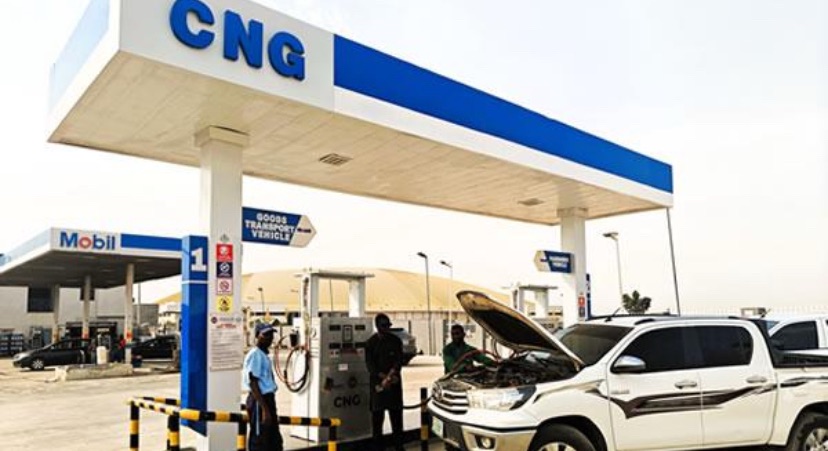
Speaking before the conference, the Managing Partner of Fleissen and organiser of the event, Dr. Sunday Kanshio, said Nigeria has recorded rapid growth in the use of Compressed Natural Gas (CNG), Liquefied Natural Gas (LNG), Liquefied Petroleum Gas (LPG) and other gas-based energy solutions. According to him, both government and private sector investments are driving this expansion.
However, Kanshio warned that the increase in gas usage must be matched with better safety standards, stricter enforcement of regulations and continuous public education. He stressed that these measures are necessary to reduce accidents, protect lives and support the country’s energy transition.
He revealed that gas-related accidents recorded across different states in the past 12 months claimed the lives of 48 people, while more than 80 others sustained injuries. He described the figures as a clear indication that urgent and long-term safety interventions are needed throughout the gas industry.
Kanshio explained that although gas accidents often receive less public attention than other disasters, the dangers remain significant. He noted that gas itself is not the main problem, as most incidents are caused by human mistakes, equipment failures, poor handling practices and weak safety systems.
He also pointed out that the increasing number of gas-powered vehicles, LNG transport trucks, pipelines and LPG distribution networks has created a greater need for effective monitoring and stronger safety awareness across the country.
According to him, transporting LNG requires special attention because it is carried at extremely low temperatures. This makes strict compliance with safety procedures, proper equipment maintenance and professional handling essential to prevent accidents.
Kanshio added that safety has always been a major part of operations within the oil and gas industry and should remain a top priority as Nigeria expands its gas infrastructure to support economic growth and cleaner energy.
The 2026 Nigeria Gas Safety Conference will focus on the theme, “Strengthening Safety Systems Amid Expanding Gas Production and Utilization.” The event is expected to attract over 200 participants, including regulators, industry leaders, safety experts and other stakeholders. More than 40 speakers, four keynote presenters and five panel discussions are planned.
The conference will provide an opportunity for participants to discuss ways to improve safety regulations, strengthen industry standards and encourage greater cooperation among key players.
Kanshio further warned that recurring gas-related accidents could weaken public trust, discourage investors and slow Nigeria’s transition to cleaner energy. He urged government agencies, private companies, civil society organisations and the media to work together in promoting safety awareness and building a stronger safety culture across the country.
Stakeholders believe that while Nigeria continues to embrace gas as an important source of energy, protecting lives through proper safety measures must remain a national priority.