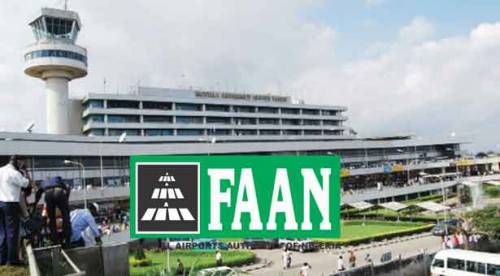

The Federal Airports Authority of Nigeria (FAAN) has restored full operations at the temporary international terminal of Murtala Muhammed International Airport (MMIA) in Lagos, less than 24 hours after severe flooding temporarily disrupted flight activities and forced the relocation of several international airlines.
The flooding followed a torrential downpour on Sunday, June 28, which submerged sections of the terminal’s apron and surrounding access roads, prompting airport authorities to suspend operations at the facility as a precaution. International carriers, including Air France-KLM, Ethiopian Airlines, and Fly Gabon, were temporarily moved to Terminal Two to ensure uninterrupted passenger services and maintain operational safety.
By Monday morning, FAAN confirmed that floodwaters had receded sufficiently for normal operations to resume. The affected airlines have since returned to the temporary international terminal, while scheduled flights continued with minimal disruption. According to the authority, no flight cancellations were directly attributed to the flooding incident.
In a statement, FAAN’s Director of Public Affairs, Henry Agbebire, said the flooding resulted from a ruptured drainage channel linked to ongoing construction activities within the airport complex. He stressed that passenger safety remained the authority’s highest priority throughout the incident and praised emergency response teams for acting swiftly to manage the situation.
Agbebire disclosed that engineers have already begun reinforcing the airport’s drainage infrastructure and implementing corrective measures aimed at preventing similar incidents during the rainy season. FAAN is also conducting a comprehensive assessment of the airport’s drainage network as part of broader infrastructure improvement efforts.
The incident has renewed attention on the condition of Nigeria’s aviation infrastructure, particularly at MMIA, the country’s busiest international gateway. Although the rapid restoration of operations limited immediate financial and operational impacts, aviation analysts caution that recurring weather-related disruptions could affect airline confidence, increase operating costs, and diminish passenger experience if underlying infrastructure deficiencies are not addressed.
The flooding also comes at a time when FAAN is overseeing modernization and redevelopment projects across several airport facilities. While such upgrades are expected to improve long-term operational efficiency, experts note that construction-related risks must be carefully managed to avoid service interruptions, especially during periods of heavy rainfall.
FAAN reiterated its commitment to maintaining safe, efficient, and seamless airport operations despite the challenges associated with ongoing redevelopment works. The authority urged passengers travelling through the international terminal to continue arriving early to allow sufficient time for routine security and operational checks.
With full flight operations restored and corrective engineering works underway, the swift recovery underscores both the resilience of airport operations and the pressing need for sustained investment in climate-resilient aviation infrastructure across Nigeria.