
The Federal Government has assured Nigerians that the implementation of capital projects across the country is better than many reports suggest. It also announced plans to introduce a transparent digital platform that will allow citizens to monitor government projects and budget performance in real time.
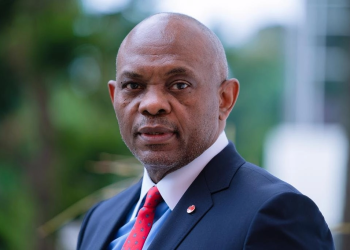
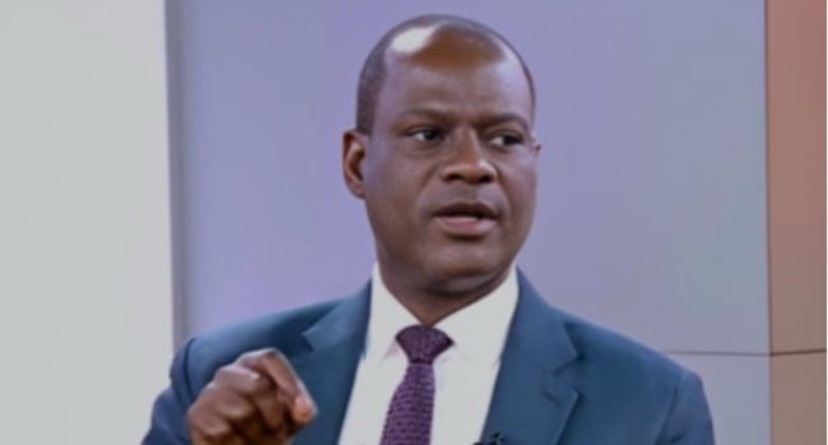
Speaking at the fifth Nigeria Employers’ Summit in Abuja, the Minister of Finance and Coordinating Minister of the Economy, Taiwo Oyedele, said the government is committed to improving accountability and making information on public spending easier to access.
According to him, President Bola Tinubu has directed that all federal projects should be harmonised into a single reporting platform. This, he said, will improve coordination among government agencies and make it easier for Nigerians to see how public funds are being used.
Oyedele admitted that budget implementation still needs improvement but insisted that the public often receives an incomplete picture of what is happening. He explained that many capital projects are managed directly by government agencies, while some are large national projects that take longer to report because of their complexity.
He said this delay in reporting has created the impression that project execution is lower than it actually is. To address the issue, the Ministry of Finance is developing a system that will publish up-to-date information on the ministry’s website, allowing citizens to track project implementation more easily.
The minister also revealed that the Ministry of Finance is working closely with the Ministry of Budget and Economic Planning to strengthen project management and ensure that all federal projects are available on one platform. He believes this approach will improve transparency and public confidence.
Speaking on the country’s rising debt servicing costs, Oyedele said the increase is mainly a result of higher interest rates introduced to reduce inflation. He explained that while many experts support the Central Bank’s efforts to fight inflation through higher interest rates, those same rates have also increased the government’s borrowing costs.
According to him, before the current economic reforms, the government borrowed at an average interest rate of about eight percent. However, borrowing costs have since risen to as high as 24 percent, making debt repayment much more expensive.
He added that inflation has also increased the cost of running government programmes and executing infrastructure projects. As a result, more money is now required to complete projects that previously cost much less.
On infrastructure development, Oyedele said the government plans to attract more private sector investment into projects that can generate revenue, while public funds will be focused on essential services such as schools, healthcare and other social infrastructure that may not be profitable but remain important for national development.
He also described the power sector as one of the government’s top priorities, adding that discussions are ongoing to introduce reforms that will encourage private investment while protecting low-income Nigerians.
Despite the government’s optimism, recent data from the Open Treasury Portal showed that only a small portion of funds budgeted for road construction and rehabilitation between 2023 and April 2026 had been released. The figures have raised concerns among economists, who believe slow funding has delayed major infrastructure projects and affected economic growth.
Government officials, however, remain confident that improved transparency, better monitoring and stronger coordination will increase public trust and improve the delivery of projects across the country.