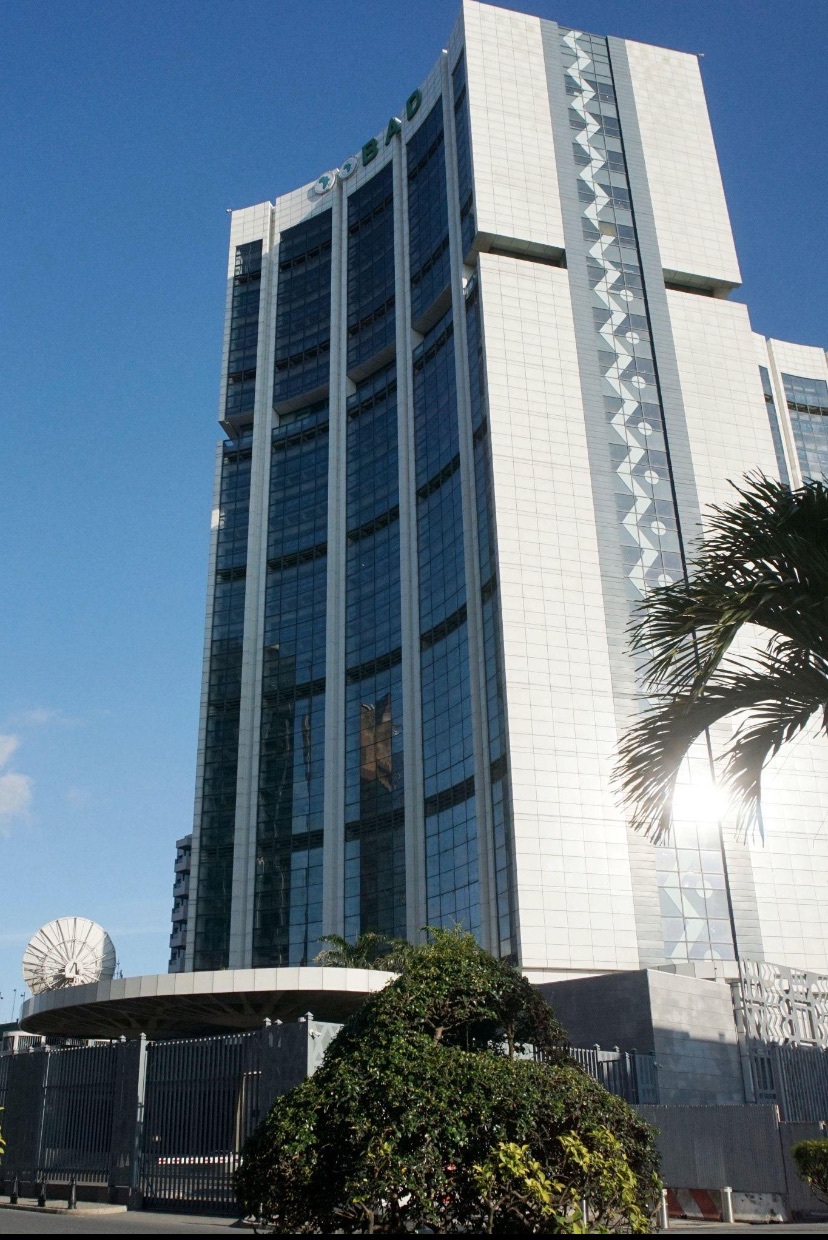

The African Development Bank (AfDB) has taken another major step toward improving electricity access in West Africa by supporting the signing of three key implementation contracts for the 225-kilovolt (kV) Mauritania-Mali Power Interconnection Project.
The agreements were signed with the Manantali Energy Management Company (SOGEM), the organisation responsible for carrying out major electricity projects under the Senegal River Basin Development Organization. The contracts represent an important milestone in the project, which is expected to strengthen electricity supply, promote regional cooperation and improve the lives of millions of people.
The power interconnection project forms part of the African Development Bank’s Desert to Power Initiative. The programme aims to generate 10 gigawatts of solar energy and provide electricity to about 250 million people across 11 countries in the Sahel region, stretching from Senegal to Djibouti.
The project also supports Mission 300, a joint initiative by the African Development Bank and the World Bank. The programme seeks to expand electricity access to 300 million people across Africa by the year 2030.
The Mauritania-Mali project will involve the construction of a high-voltage transmission line that will connect important locations in both countries. The new infrastructure is expected to improve the reliability of electricity supply, encourage cross-border energy trading and strengthen the national power grids of Mauritania and Mali.
Under the newly signed agreements, contractors will build a 225 kV double-circuit transmission line linking Kiffa, Tintane and Yélimané. This corridor will play a key role in transporting electricity between the two neighbouring countries and supporting regional energy cooperation.
The contracts also include the construction of another high-voltage transmission line between Tintane and Aioun in Mauritania. This section of the project is designed to reinforce the country’s electricity network while expanding access to power for communities that currently have limited or unreliable electricity.
In addition to construction work, the agreements cover supervision and monitoring services to ensure the project meets technical standards, maintains quality and is completed on schedule.
Several government officials attended the signing ceremony, including Mauritania’s Minister of Economic Affairs and Development, Abdallah Ould Souleymane Cheikh Sidiya, and the country’s Minister of Energy and Petroleum, Mohamed Ould Khaled. Also present was Malinne Blomberg, the African Development Bank’s Country Manager for Mauritania.
Speaking during the event, Energy Minister Mohamed Ould Khaled described the project as an “electric line of hope.” He said it would create a more integrated regional electricity market capable of driving economic growth while improving the quality of life for people across the region.
Malinne Blomberg reaffirmed the African Development Bank’s commitment to helping Sahel countries achieve universal electricity access by 2030 through investments in modern energy infrastructure.
When completed, the project will deliver a 1,373-kilometre transmission line connecting the electricity networks of Mauritania and Mali. It will encourage the exchange of renewable energy, particularly solar power, lower electricity production costs, improve energy security and support industrial development.
Beyond improving electricity supply, the project is expected to create opportunities for economic growth, strengthen regional integration and enhance living standards in both countries. Construction is expected to continue over the coming years, with the entire project scheduled for completion by 2030.