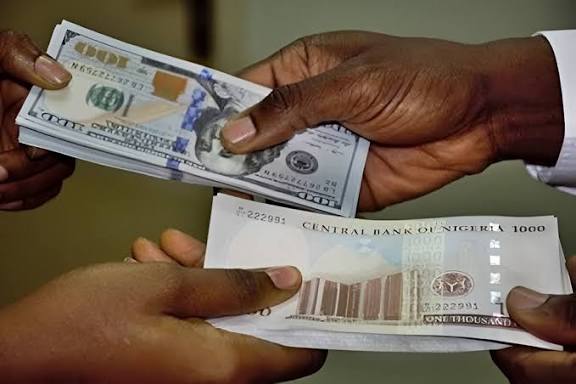

Nigeria’s foreign exchange market remained under pressure last week, with the naira depreciating in the official window even as the country’s external reserves climbed to their highest level in more than 17 years, underscoring persistent structural demand for dollars that continues to outstrip available supply.
The naira closed at N1,370.46 per dollar on Friday, down from N1,363.30/$1 a day earlier, a depreciation of N6.68. The decline came alongside a rise in external reserves to $51.04 billion, a level not seen since January 2009, according to Central Bank of Nigeria (CBN) data.
Analysts said the divergence highlights the limits of reserve accumulation as a standalone tool for currency defence. While larger reserves generally bolster a country’s ability to meet external obligations and absorb shocks, market participants note that spot exchange rates remain more sensitive to daily liquidity conditions, speculative positioning, and overall investor sentiment than to the headline reserve figure.
The CBN has maintained a managed float regime, intervening intermittently to smooth volatility, but traders say foreign currency demand from manufacturers, energy importers, and portfolio investors continues to outpace supply from crude oil receipts and other inflows.
Looking ahead, the central bank projects a gradual stabilisation of the naira over the medium term. In its latest forecast, the CBN sees the currency averaging around N1,512/$ in 2026 before strengthening to approximately N1,432.15/$ in 2027. Market observers said achieving those targets would depend on sustained reserve growth, a rebound in foreign direct and portfolio investment, and the successful implementation of ongoing FX market reforms, including improved transparency and clearing mechanisms.
For businesses and individual investors, the prevailing view is that near‑term volatility is likely to persist. Financial analysts advise that prudent risk management, diversification of funding sources, and close monitoring of policy signals will remain essential as the central bank navigates the delicate balance between supporting the naira and preserving scarce reserves.