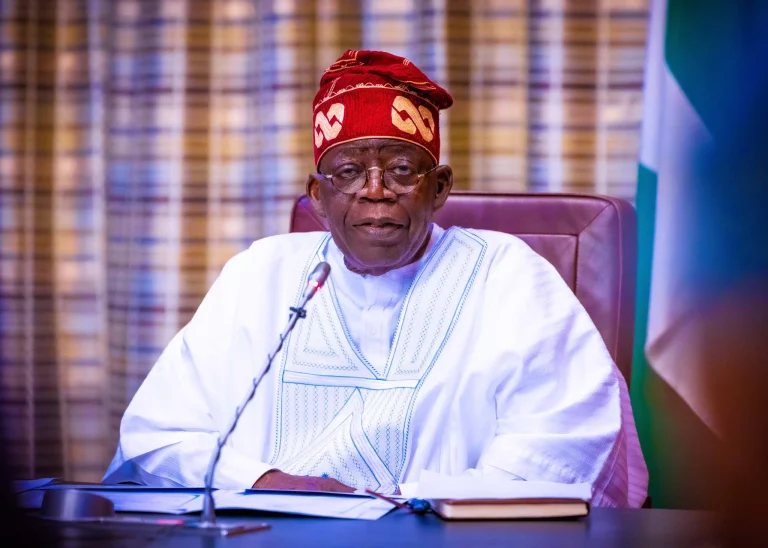

The Presidency has released a list of what it described as major achievements recorded under the administration of President Bola Tinubu, especially in Nigeria’s energy and economic sectors. According to government officials, the country’s federation revenue increased from N12 trillion to N21 trillion within three years due to ongoing reforms.
The update was shared by the Special Assistant to the President on Social Media, Olusegun Dada, who explained that several policy changes introduced by the administration helped improve government earnings and reduce dependence on imported fuel.
One of the major reforms highlighted was the removal of fuel subsidy. The Presidency stated that the policy significantly reduced the amount spent on fuel imports. According to the figures released, fuel import costs dropped from N2.3 trillion to less than N90 billion as local refining activities increased across the country. The government also said Nigeria now produces about 48 million litres of refined petrol daily, compared to almost zero local production before the current administration came into office.
In the power sector, the Presidency claimed that electricity reforms helped lower the burden of subsidies by more than N1 trillion. Officials explained that nearly half of the electricity market has moved to cost reflective tariffs linked to service delivery, while the national metering rate has improved to 57 percent. The administration further noted improvements in the oil and gas sector. Nigeria’s crude oil and condensate production reportedly increased to 1.64 million barrels per day, which officials described as the highest onshore production level recorded in about twenty years. Natural gas production also rose during the same period.
Beyond energy reforms, the Presidency pointed to improvements in revenue generation, foreign reserves, infrastructure, and trade. Officials claimed that non oil revenue reached record levels, while the country recorded trade surpluses for several consecutive quarters.
The government also highlighted projects such as railway expansion, road construction, and reforms in the foreign exchange market as part of its achievements. According to the Presidency, these measures have improved investor confidence and strengthened economic stability.
However, despite the government’s positive assessment, some critics questioned whether ordinary Nigerians are truly feeling the impact of these achievements. Many citizens continue to complain about high food prices, rising transportation costs, inflation, and the general cost of living. While supporters of the administration believe the reforms are necessary for long term economic growth, critics argue that the immediate hardship facing many Nigerians cannot be ignored.
The discussion around the administration’s economic reforms continues to generate mixed reactions across the country, as Nigerians weigh government statistics against their daily realities.