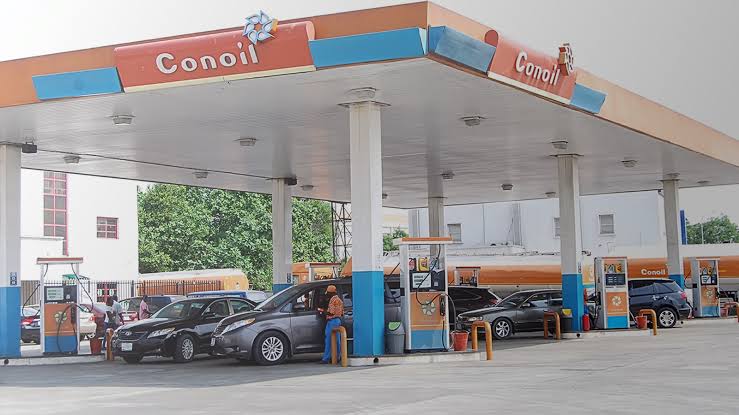

Conoil Plc has proposed a dividend of N2.00 per share for the 2025 financial year, committing a total payout of N1.387 billion to shareholders despite a significant decline in profitability driven by rising borrowing costs and increased finance expenses.
The dividend proposal underscores the company’s commitment to rewarding investors even as its bottom-line performance came under pressure from a challenging operating environment marked by higher interest rates and increased financing requirements.
The downstream oil marketer’s decision highlights a growing trend among listed Nigerian companies seeking to maintain investor confidence through consistent dividend payments despite earnings volatility. For shareholders, the proposed payout signals management’s confidence in the company’s long-term prospects and cash-generating capacity.
However, the dividend announcement comes against the backdrop of weaker earnings. Conoil’s profitability was adversely affected by elevated finance costs linked to increased borrowings, reflecting the broader impact of Nigeria’s high-interest-rate environment on corporate balance sheets. As borrowing costs rise, companies that depend on debt financing face mounting pressure on net income, even when operational performance remains relatively stable.
The challenge has become particularly pronounced across Nigeria’s downstream petroleum sector, where companies require substantial working capital to finance product procurement, distribution, and inventory management. Higher funding costs can significantly erode margins and reduce overall profitability.
Despite these headwinds, Conoil’s decision to maintain a shareholder payout may be viewed positively by the market. Dividend consistency often serves as an important signal of financial resilience, especially during periods of economic uncertainty. Investors typically regard stable dividends as evidence of management’s confidence in future cash flows and operational sustainability.
Industry analysts note that the company’s ability to sustain dividend payments will depend largely on its success in managing debt obligations, improving operational efficiency, and navigating evolving market conditions within the energy sector. The ongoing liberalisation of Nigeria’s petroleum market, coupled with fluctuations in foreign exchange rates and energy prices, continues to shape the outlook for operators in the industry.
Looking ahead, investors will closely monitor Conoil’s strategy for balancing shareholder returns with the need to preserve capital and strengthen its financial position. The company’s future performance will likely hinge on its ability to control financing costs while capitalising on opportunities emerging from reforms in Nigeria’s energy market.
For now, the proposed N2.00 dividend offers a measure of reassurance to shareholders, even as profitability pressures underscore the challenges facing businesses operating in a high-cost financing environment.