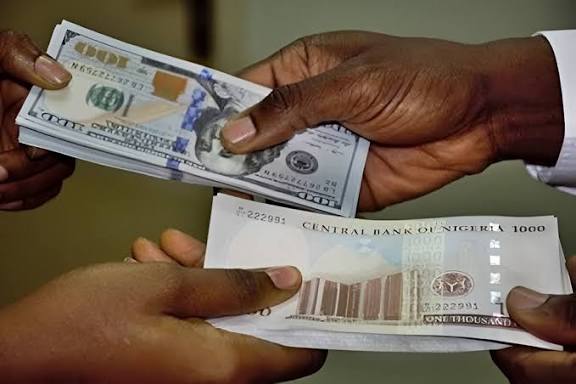

The Nigerian naira weakened to N1,400 per U.S. dollar in the parallel market, highlighting persistent pressure on the country’s foreign exchange market despite ongoing reforms aimed at improving liquidity and exchange rate stability.
Currency traders in major commercial hubs reported that the local currency lost ground against the dollar as demand from importers, travelers, and businesses seeking foreign exchange continued to outpace available supply. The depreciation underscores the challenges facing monetary authorities as they work to stabilize the foreign exchange market and restore investor confidence.
The movement in the parallel market comes at a time when Nigeria’s foreign exchange landscape remains under close scrutiny. Although the Central Bank of Nigeria (CBN) has implemented a series of reforms designed to enhance transparency and improve market efficiency, demand for dollars remains elevated, particularly among businesses dependent on imported raw materials, machinery, and consumer goods.
Analysts note that fluctuations in the parallel market often serve as an indicator of underlying pressures within the broader economy. When access to foreign currency through official channels becomes constrained or insufficient, individuals and businesses frequently turn to the informal market, increasing demand and exerting downward pressure on the naira.
The latest depreciation could have wider implications for inflation, which remains a key concern for policymakers. A weaker naira raises the cost of imported goods and services, potentially feeding into consumer prices and increasing operating costs for businesses across sectors. Companies that rely heavily on foreign inputs may face higher expenses, while consumers could experience further price increases on everyday products.
Market participants are also closely monitoring foreign portfolio investment flows, crude oil production levels, and external reserves, all of which play critical roles in determining the availability of foreign exchange in Africa’s largest economy. Stronger dollar inflows from oil exports and foreign investments could help ease pressure on the currency over time.
Despite the setback, economists argue that exchange rate stability will depend largely on sustained foreign exchange inflows, policy consistency, and continued efforts to deepen liquidity in the official market. They maintain that narrowing the gap between official and parallel market rates remains essential for improving market confidence and attracting long-term investment.
As Nigeria continues its economic reform agenda, the trajectory of the naira will remain a key barometer of investor sentiment, macroeconomic stability, and the effectiveness of ongoing foreign exchange management policies.