
Nigeria is stepping up efforts to develop its vast mineral resources by seeking investment, technology, and technical expertise from Turkey. The move is part of a broader plan to unlock the country’s largely untapped mining sector, create jobs, increase revenue, and strengthen its position in the global supply chain for critical minerals.
The initiative follows the signing of a new mining cooperation agreement between Nigeria and Turkey. The agreement is expected to deepen economic ties between both countries while encouraging collaboration in mineral exploration, processing, technology transfer, and capacity building.
Speaking during the Istanbul Natural Resources Summit, Nigeria’s Minister of Solid Minerals Development, Oladele Henry Alake, said the partnership is designed to build on the existing relationship between the two nations and create opportunities for growth in the mining industry.
According to the minister, the agreement came after President Bola Ahmed Tinubu visited Turkey earlier this year. During the visit, both countries signed several cooperation agreements covering different sectors, including trade, defense, youth development, and sports.
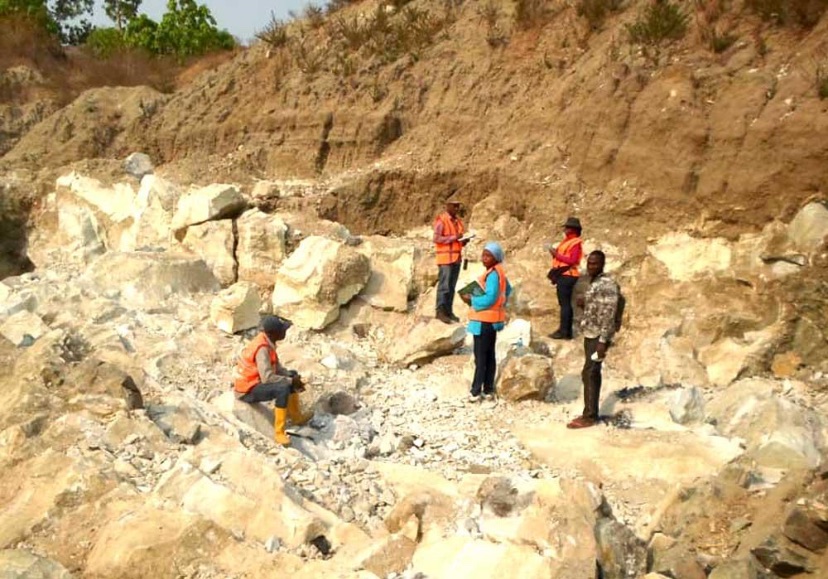
Alake explained that Nigeria possesses enormous mineral resources that remain largely unexplored. He noted that only a small percentage of the country’s land area has been explored for minerals, yet significant discoveries have already been made.
He revealed that within the limited exploration conducted so far, Nigeria has identified more than 44 critical minerals. These include lithium, cobalt, nickel, tin, tantalum, and rare earth elements, which are increasingly important for clean energy technologies such as electric vehicle batteries, renewable energy systems, and advanced electronics.
The minister said Turkey’s interest in Nigeria’s mineral sector aligns with its desire to secure reliable sources of critical minerals and diversify its supply chains. At the same time, Nigeria hopes to benefit from Turkish expertise, advanced technology, and investment.
A major focus of the agreement is technology transfer and skills development. Alake said Turkish companies entering Nigeria’s mining industry are expected to bring modern equipment, technical knowledge, and training opportunities that will help strengthen local expertise.
Beyond attracting investment, Nigeria is also pushing for greater local value addition. The government wants mining companies to process minerals within the country rather than exporting raw materials abroad.
According to Alake, processing minerals locally will increase their market value, generate higher revenue, create more employment opportunities, and support industrial growth. He described the approach as beneficial to both investors and Nigeria’s economy.
The agreement also covers areas such as environmental sustainability, financing, foreign direct investment, and responsible mining practices. These measures are intended to ensure long-term growth while protecting the environment and supporting energy security goals.
To make the sector more attractive to investors, the Nigerian government has introduced several reforms. One of the key improvements is the digitalization of mining licensing processes, making it easier and faster for investors to obtain mineral titles online.
Alake also highlighted recent financial reforms that simplify the process for foreign investors to repatriate profits after fulfilling tax and royalty obligations.
To ensure smooth implementation of the agreement, Nigeria and Turkey have established a joint working group made up of technical experts from both countries. The team will oversee projects and ensure that commitments under the agreement are carried out efficiently.
The minister encouraged Turkish investors to explore opportunities in Nigeria’s mining sector, emphasizing that the country still has vast mineral resources waiting to be responsibly developed for mutual economic benefit.