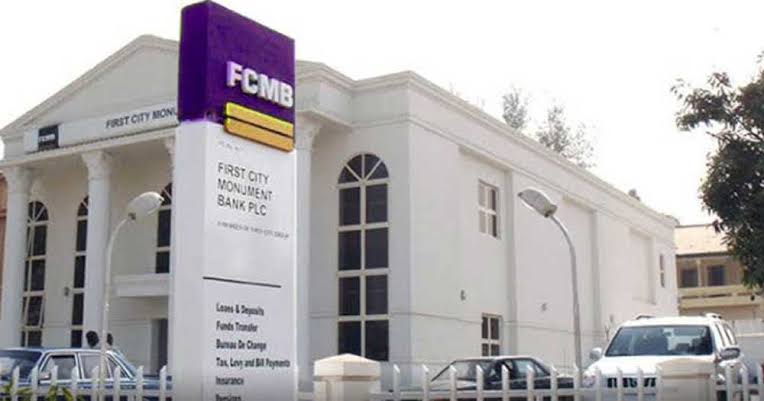

Small and medium-sized enterprises (SMEs) require far more than access to capital to achieve sustainable growth, according to a senior executive at First City Monument Bank (FCMB), who argued that critical infrastructure, market access, business support services, and digital capabilities are equally important for long-term success.
Speaking on the challenges facing Nigeria’s SME sector, the FCMB Senior Vice President emphasized that while financing remains a major concern for entrepreneurs, capital alone cannot solve the structural constraints limiting business expansion and productivity.
The executive noted that many small businesses continue to struggle with unreliable power supply, inadequate transportation networks, limited access to technology, and weak market linkages. These challenges often increase operating costs, reduce competitiveness, and hinder the ability of businesses to scale despite receiving financial support.
“Financing is important, but businesses also need the right ecosystem to thrive,” the FCMB executive said, highlighting the need for a more holistic approach to SME development.
SMEs account for a significant share of employment and economic activity in Nigeria, making them a critical pillar of economic growth and job creation. However, industry experts have repeatedly warned that access to credit alone will not unlock the sector’s full potential without parallel investments in infrastructure and business development support.
According to FCMB, sustainable SME growth requires a combination of affordable financing, digital transformation tools, capacity-building programs, mentorship opportunities, and improved access to local and international markets. The bank has increasingly focused on providing non-financial services alongside traditional lending products to help entrepreneurs strengthen operational efficiency and improve business resilience.
Analysts say the remarks reflect a growing consensus within Nigeria’s financial sector that SME development should be viewed through a broader economic lens. While banks and development finance institutions continue to expand credit facilities targeted at small businesses, persistent infrastructure deficits remain a major obstacle to productivity and profitability.
The call for enhanced infrastructure comes as policymakers seek to accelerate economic diversification, increase private-sector investment, and boost non-oil growth. Improved power supply, logistics networks, broadband connectivity, and industrial support systems are widely regarded as essential foundations for enabling SMEs to compete effectively in both domestic and export markets.
For Nigeria’s SME sector, the message is increasingly clear: access to funding remains necessary, but long-term success will depend on the creation of a supportive business environment that allows enterprises to innovate, scale, and contribute more meaningfully to economic development.