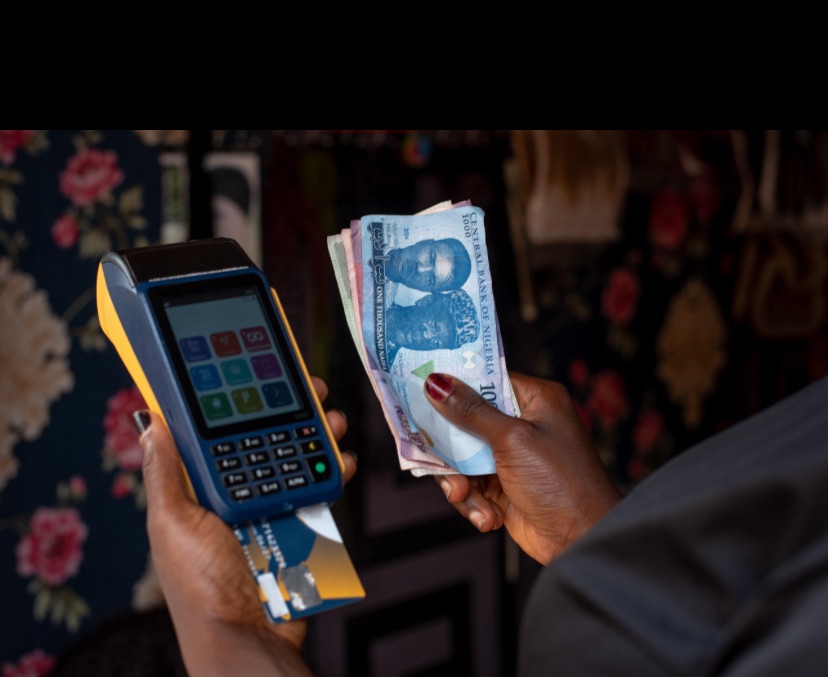

The Central Bank of Nigeria (CBN) has postponed the enforcement of its mandatory geo-fencing policy for Point-of-Sale (PoS) terminals, giving banks and payment service providers more time to prepare for full compliance.
According to a circular issued by the apex bank on May 29, 2026, the new enforcement date has been moved to August 1, 2026. The directive was signed by the Director of the Payments System Supervision Department, Dr. Rakiya Yusuf, and communicated to all licensed operators within Nigeria’s financial services sector.
The circular was sent to Deposit Money Banks, Microfinance Banks, Mobile Money Operators, Payment Terminal Service Providers, Payment Solution Service Providers, Super Agents, Switching and Processing Companies, and other stakeholders involved in electronic payment services.
The extension follows consultations between the CBN and industry participants, as well as operational challenges identified during the implementation process. The regulator noted that the decision was influenced by feedback received from stakeholders and ongoing efforts linked to earlier directives on ISO 20022 migration and payment terminal geo-tagging requirements.
In addition to extending the deadline, the CBN announced a major adjustment to the geo-fencing framework. The permissible operating radius for PoS terminals has been increased from 10 metres to 70 metres.
This means merchants and service providers will have greater flexibility in operating their terminals while still remaining within approved locations. The adjustment is expected to make compliance easier for businesses, especially those operating in areas where minor movement of terminals may occur during daily transactions.
Geo-fencing technology is designed to ensure that PoS terminals operate only within authorized merchant locations. By restricting terminals to specific geographical areas, the CBN aims to improve transaction monitoring, strengthen security measures, and reduce fraudulent activities within Nigeria’s electronic payment ecosystem.
The banking regulator emphasized that all affected institutions must use the additional time to complete necessary system upgrades and align their operations with the new requirements. Operators are also expected to address any outstanding technical issues connected to the National Central Switch to guarantee a smooth implementation process.
Furthermore, the CBN instructed all institutions covered by the directive to submit proof of compliance to the Payments System Supervision Department no later than July 31, 2026.
Industry observers believe the extension will provide much-needed relief to financial institutions and payment service providers that require additional time to update infrastructure and test systems before enforcement begins.
As Nigeria continues to deepen its digital payment ecosystem, the CBN says the geo-fencing initiative remains an important part of efforts to enhance payment security, improve oversight, and build greater trust in electronic transactions across the country.
With the revised deadline now set for August 2026, operators have a fresh opportunity to meet regulatory expectations while ensuring that customers continue to enjoy secure and reliable payment services.