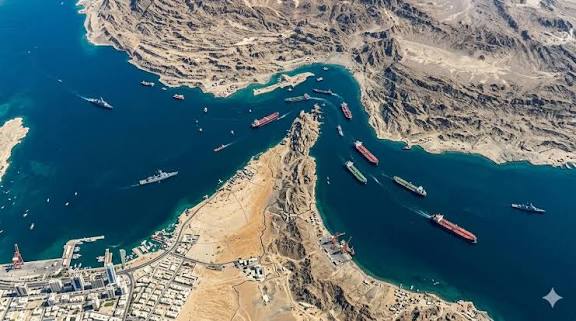

Escalating geopolitical tensions around the Strait of Hormuz are reshaping global energy flows, with India increasingly turning to Nigeria as it seeks to shield its economy from supply disruptions in the Middle East.
India, the world’s third-largest oil importer and consumer, has accelerated purchases of Nigerian crude in recent months as fears mount over the security of one of the world’s most critical oil transit chokepoints.
The Strait of Hormuz, located between Iran and Oman, handles nearly a fifth of global petroleum shipments, making any instability in the corridor a major concern for energy markets.
For Indian refiners, the shift reflects both commercial pragmatism and strategic diversification. Nigeria’s light sweet crude grades, including Bonny Light and Qua Iboe, are well suited to Indian refining systems and offer an alternative to Middle Eastern barrels that could face delays, higher insurance costs, or outright disruption if regional tensions intensify.
Energy analysts say the pivot underscores how geopolitical risk is once again becoming a dominant force in global commodity markets.
“India cannot afford prolonged supply uncertainty given its dependence on imported crude,” said Lagos-based energy economist. “Nigeria becomes attractive not only because of production capacity but because it offers diversification outside the Gulf region.”
The renewed interest could provide a timely economic boost for Nigeria, Africa’s largest oil producer, which has struggled with years of underinvestment, pipeline vandalism, oil theft, and declining output. Stronger demand from India may help support export revenues at a time when Abuja is seeking to stabilise foreign exchange inflows and strengthen public finances.
Market participants also note that freight economics are shifting. While shipping Nigerian crude to Asia typically involves longer voyages than Gulf exports, traders say the risk premium attached to Middle Eastern cargoes has narrowed the cost gap. Rising tanker insurance rates in the Gulf have further improved the competitiveness of West African barrels.
Global oil prices have remained volatile as investors weigh the possibility of wider regional conflict against slowing economic growth in major economies. Brent crude has experienced sharp swings in recent sessions, reflecting concerns that any sustained disruption in Hormuz could tighten global supplies and reignite inflationary pressures worldwide.
For India, diversifying supply sources has become an increasingly important pillar of energy security policy. The country has expanded imports from Russia, the United States, Latin America, and Africa since the outbreak of the Russia-Ukraine war disrupted traditional trade routes.
Nigeria’s growing relevance in that strategy may signal a broader realignment in global crude trade patterns, as Asian buyers seek stability in an increasingly fragmented geopolitical environment.
Industry executives caution, however, that Nigeria must improve operational reliability and raise production levels if it hopes to capture a larger share of the Asian market over the long term. Without sustained reforms and infrastructure security, the country risks losing momentum despite favourable market conditions.