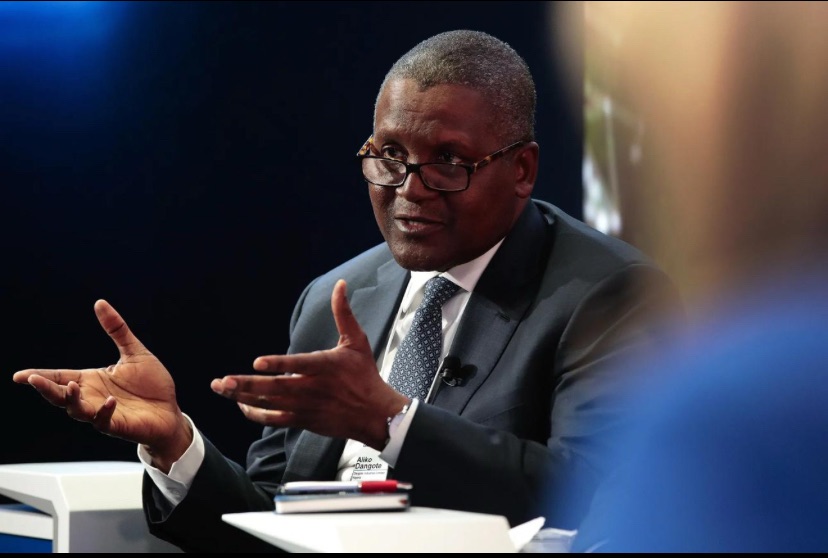

The African Energy Chamber (AEC) has honoured Nigerian businessman Aliko Dangote with the “African Energy Person of the Year” award in recognition of his contributions to Africa’s energy sector and economic development.
According to the AEC, Dangote earned the award because of his efforts to improve energy security, develop infrastructure, create jobs, reduce dependence on imports, and promote African-driven solutions to energy challenges across the continent.
The award is one of the most respected recognitions in Africa’s energy industry. Previous recipients include former OPEC Secretary-General Mohammad Sanusi Barkindo, Angola’s President João Lourenço, Namibia’s late President Hage Geingob, and African Export-Import Bank President Benedict Oramah.
Dangote, who studied business at Al-Azhar University, started with a small trading business before building the Dangote Group into one of Africa’s biggest industrial companies. Today, the group operates in sectors such as cement, sugar, salt, flour, fertiliser, and oil refining.
The AEC said Dangote’s business strategy stands out because he focused on building industries and infrastructure within Africa instead of depending mainly on trading or exporting raw materials. His investments in manufacturing, transportation, logistics, and energy infrastructure have helped strengthen local supply chains and support economic growth across several African countries.
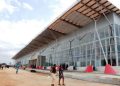
One of Dangote’s biggest achievements is the development of the Dangote Refinery located in Lekki, Lagos. The refinery has a capacity of about 650,000 barrels of oil per day, making it one of the largest single-train refineries in the world.
The refinery also includes petrochemical and fertiliser plants that produce products such as gasoline, diesel, aviation fuel, and fertiliser. According to the AEC, the project is not just an industrial investment but a major development that could transform Africa’s energy future.
For many years, Nigeria depended heavily on imported fuel despite being one of Africa’s largest crude oil producers. This situation led to fuel shortages, high subsidy costs, and pressure on foreign exchange reserves. However, the Dangote Refinery is now helping Nigeria refine more fuel locally and reduce dependence on imports.
The refinery has also started exporting refined petroleum products to countries such as Ghana, Cameroon, and Côte d’Ivoire. Supplies have also reached Europe, the United Kingdom, and the United States, while the refinery is expected to export gasoline to Asia in June 2026.
The project faced several difficulties before becoming operational, including financing challenges, infrastructure problems, and currency fluctuations. Despite these obstacles, the refinery has become a symbol of Africa’s industrial ambition.
Reports from S&P Global Ratings stated that the refinery has boosted Nigeria’s refining capacity and helped improve the country’s foreign exchange reserves, which rose from $33 billion in 2023 to about $50 billion by March 2026.
Dangote Group is also considering expanding the refinery’s capacity to 1.4 million barrels per day within the next 30 months. The company is further investing in fuel storage and logistics projects across Africa, including planned storage facilities in Namibia and a possible new refinery project in East Africa.
Beyond business, Dangote is widely recognised for his philanthropic activities through the Aliko Dangote Foundation (ADF). The foundation supports programmes in healthcare, education, nutrition, agriculture, and poverty reduction.
ADF played an important role in Nigeria’s successful fight against polio in partnership with organisations such as UNICEF, the World Health Organization, and the Bill & Melinda Gates Foundation. Nigeria was officially declared free of wild polio in 2020.
The foundation has also supported farmers, funded nutrition programmes, and provided emergency relief during floods, disease outbreaks, and the COVID-19 pandemic through initiatives like CACOVID.
Speaking about the award, the African Energy Chamber described Dangote as a visionary leader who believes strongly in Africa’s ability to build industries, strengthen energy security, and create lasting economic opportunities for future generations.