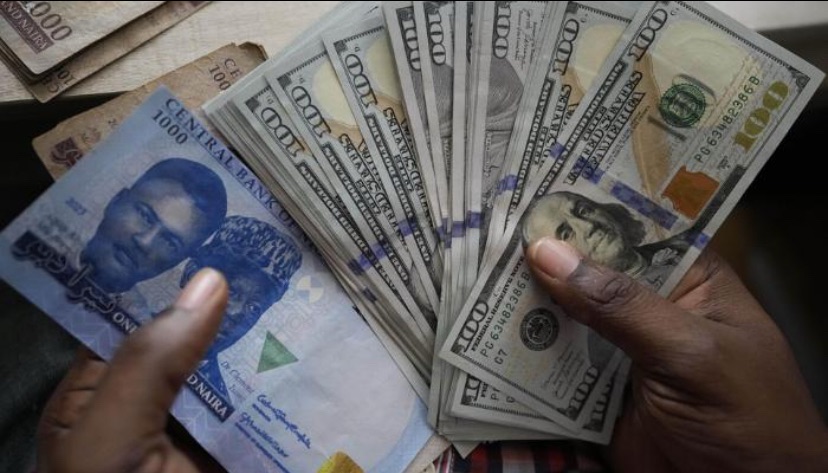

Nigeria experienced a major rise in foreign capital inflows in January 2026, as international investors increased their interest in the country’s financial markets. New figures released by the Central Bank of Nigeria showed that total capital imported into the economy climbed to $3.52 billion during the month.
The latest report revealed that the amount represented a strong increase compared to the $1.25 billion recorded in December 2025. The sharp growth was mainly driven by foreign portfolio investments, often referred to as “hot money,” which poured heavily into Nigerian bonds and money market instruments.
According to the report, portfolio investments reached $3.37 billion in January, accounting for nearly 96 percent of all capital imported into the country during the period. This marked a significant jump from the $940 million recorded in the previous month.
The increase highlights growing confidence among foreign investors in Nigeria’s financial market, especially as the country continues to benefit from improved economic conditions. Analysts believe that exchange rate stability, slowing inflationary pressure, and stronger external reserves have helped attract foreign funds into the economy.
The report also showed that Nigeria maintained a positive trade balance during the review period. In addition, the nation’s external reserves rose to $48.88 billion, while the naira appreciated by 2.43 percent to close at N1,416.52 per dollar at the official foreign exchange market.
While portfolio investments surged strongly, foreign direct investment remained weak. The report showed that direct investments fell sharply by 80 percent to only $30 million in January, compared to $150 million recorded in December 2025.
This means foreign direct investment accounted for less than one percent of total capital inflows during the month. Other forms of investment, mainly loans, also declined to $120 million from $160 million.
The figures suggest that Nigeria still depends heavily on short-term foreign funds instead of long-term investments that could support manufacturing, infrastructure, and job creation.
Further analysis of the report showed that the banking sector attracted the largest share of foreign capital during the month. About 75 percent of all inflows went into banking-related activities, reflecting investors’ preference for financial assets and fixed-income instruments.
Financing activities followed closely, receiving more than 22 percent of total inflows. Together, both sectors accounted for over 97 percent of all foreign capital entering Nigeria in January.
Meanwhile, sectors considered important for long-term economic growth received very little investment. Manufacturing and production attracted just above one percent, while agriculture, trading, and information technology services received only small portions of the inflows.
The report also identified the major countries investing in Nigeria during the month. The United States emerged as the largest source of capital, contributing more than 46 percent of total inflows. The United Kingdom followed with over 40 percent.
Combined, both countries accounted for almost 87 percent of all foreign capital imported into Nigeria in January 2026. Other contributors included Mauritius, South Africa, the United Arab Emirates, and France.
The latest figures come amid ongoing efforts by Nigerian authorities to strengthen investor confidence and stabilize the economy. However, experts continue to stress the need for policies that can attract more long-term investments into productive sectors capable of creating jobs, boosting exports, and supporting sustainable economic growth.