
Global oil prices have continued to fall amid growing optimism over peace talks between the United States and Iran, raising expectations that fuel prices in Nigeria could soon reduce.
Crude oil prices, which had climbed sharply during the months-long conflict between both countries, dropped significantly on Monday morning. Oil traded at about $97 per barrel after hovering above $111 last week. The decline followed reports that negotiations between the US and Iran were making progress, especially regarding the possible reopening of the Strait of Hormuz.
The Strait of Hormuz is one of the world’s most important oil routes, with nearly 20 per cent of global crude oil supply passing through it daily. Concerns over the conflict had earlier disrupted supply expectations and pushed crude prices above $100 per barrel for several weeks.
Analysts had predicted that oil prices would fall once there were clear signs of peace and stability in the Middle East. That prediction appears to be materialising as Brent crude, which traded between $103 and $105 over the weekend, dropped further to about $97.48 on Monday.
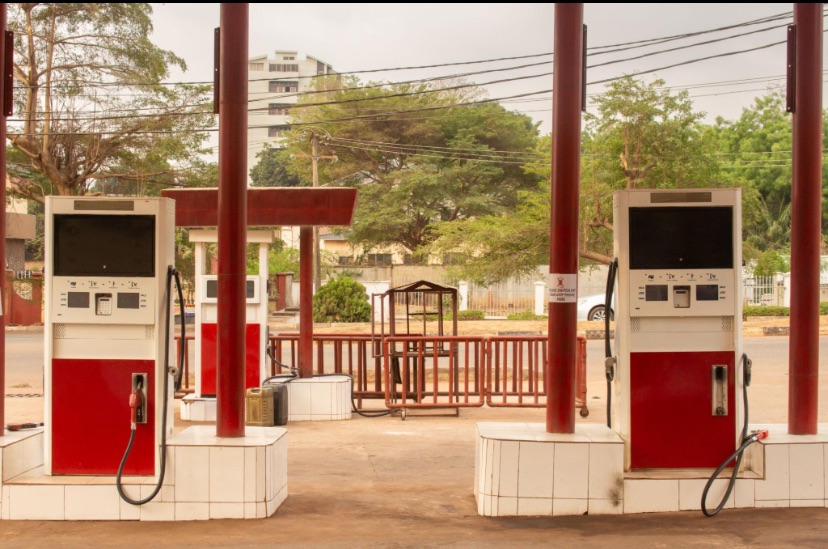
The fall in crude oil prices is already creating speculation that petrol prices in Nigeria may soon reduce, especially if the downward trend continues. Industry observers believe local refiners, including the Dangote Petroleum Refinery, could review fuel prices in response to cheaper crude oil costs.
Fuel prices in Nigeria have surged dramatically since the conflict began on February 28. Petrol prices rose from around N830 per litre to nearly N1,300 per litre in many parts of the country. Diesel and aviation fuel prices also increased sharply, placing additional pressure on businesses, transport operators, and airlines.
Several airline operators had earlier warned that rising aviation fuel costs could force them to suspend operations if the situation failed to improve.
The latest drop in oil prices follows reports that the US and Iran are close to reaching a new agreement aimed at easing tensions in the Middle East. The proposed deal reportedly includes reopening the Strait of Hormuz, extending a ceasefire arrangement, and creating a framework for further discussions on Iran’s nuclear programme.
US President Donald Trump recently stated that discussions involving the United States, Iran, and several Middle Eastern countries were progressing positively. According to him, the agreement is still being finalised, but key areas have already been settled.
Trump explained that leaders from countries such as Saudi Arabia, the United Arab Emirates, Qatar, Egypt, Jordan, Bahrain, Pakistan, Türkiye, and Israel were involved in discussions surrounding the proposed deal.
He also confirmed that the Strait of Hormuz would be reopened under the agreement, helping to stabilise global oil supply and ease market concerns.
Meanwhile, Iran has also acknowledged progress in the negotiations. Iranian foreign ministry spokesman Esmail Baqai said many issues had been resolved, although he stressed that a final agreement had not yet been signed.
US Secretary of State Marco Rubio had earlier suggested that an agreement could be reached soon.
For Nigeria, lower crude oil prices may bring relief to consumers already struggling with rising transportation and energy costs. However, market watchers say any reduction in petrol prices will depend on how long oil prices remain low and whether peace efforts between the US and Iran are successfully concluded.