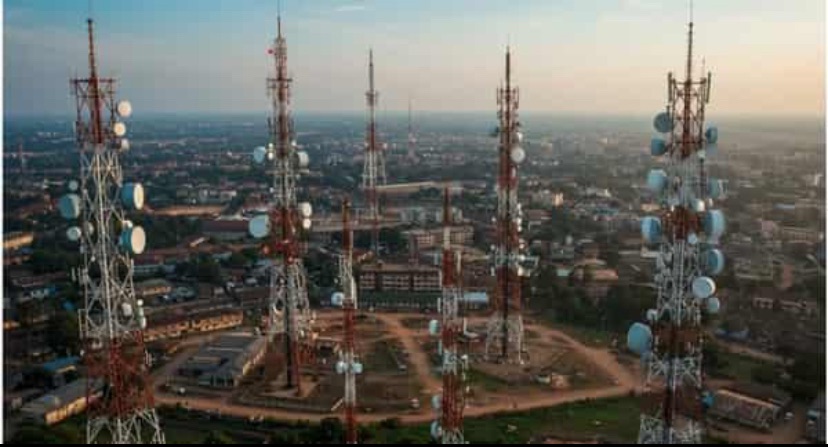

Nigeria’s telecommunications industry is entering a new phase of expansion as major operators increase investment in rural network infrastructure to meet the growing demand for internet and digital services across underserved communities.
Industry stakeholders say telecom companies are now focusing more attention on smaller towns and remote areas where millions of Nigerians still face limited access to reliable mobile and internet connectivity. The move comes as digital banking, online education, e-commerce, and remote work continue to drive higher demand for affordable data services nationwide.
Over the past year, telecom operators have intensified the rollout of additional base stations, fibre optic networks, and 4G infrastructure in several parts of the country. Some firms are also preparing for wider 5G expansion as smartphone usage continues to rise among younger consumers and small businesses.
Analysts believe the industry’s renewed rural strategy could unlock fresh revenue opportunities while helping to bridge Nigeria’s digital divide. Many telecom providers are targeting communities where mobile penetration remains low but demand for digital access is increasing rapidly.
According to market experts, internet consumption in Nigeria has grown significantly as more citizens rely on mobile devices for communication, entertainment, financial transactions, and business operations. This surge in usage has placed pressure on operators to improve network quality and reduce service interruptions.
Small business owners in rural communities say improved connectivity is already beginning to transform commercial activities. Traders, farmers, and transport operators are increasingly using mobile payment platforms and social media channels to reach customers beyond their immediate environment.
Education has also emerged as one of the sectors benefiting from wider internet expansion. Students in some remote areas now have better access to online learning materials and virtual classes, while health workers are adopting digital tools for communication and data management.
Despite the progress, telecom operators continue to face major challenges including high operating costs, unstable power supply, foreign exchange pressures, and infrastructure vandalism. Industry executives have repeatedly called for stronger government support to protect telecom assets and encourage further investment in the sector.
Experts say energy costs remain one of the biggest concerns for operators due to the heavy reliance on diesel-powered generators to keep network towers functioning in areas with unreliable electricity supply. Rising import costs for telecom equipment have also increased financial pressure on service providers.
The Nigerian Communications Commission has continued to encourage infrastructure development and digital inclusion initiatives aimed at improving nationwide connectivity. Industry observers believe supportive policies and tax incentives could accelerate broadband expansion and attract additional private investment into the telecom sector.
Technology analysts predict that competition among telecom companies will likely intensify over the next few years as operators compete for data subscribers and digital service revenue. Beyond voice calls and internet subscriptions, firms are increasingly exploring fintech services, cloud storage, entertainment streaming, and enterprise solutions as new growth areas.
Investors remain optimistic about the long-term potential of Nigeria’s telecom industry due to the country’s large population and rapidly growing digital economy. Analysts say the sector could play a major role in supporting economic growth, improving financial inclusion, and creating employment opportunities for young Nigerians.
As connectivity spreads deeper into rural communities, telecom expansion is gradually becoming more than just a business strategy. For millions of Nigerians, it represents greater access to information, digital opportunities, and participation in the modern economy.