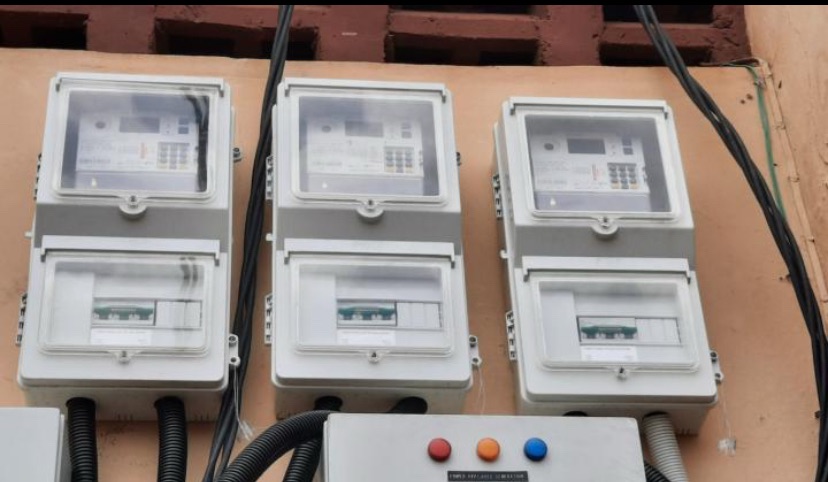

Nigeria’s electricity sector is still facing a major metering challenge, as more than five million electricity users remain without prepaid meters across the country.
According to the latest metering factsheet released by the Nigerian Electricity Regulatory Commission (NERC), about 5.1 million electricity customers were still on estimated billing as of February 2026.
The report revealed that Nigeria currently has about 12.31 million active electricity customers, but only 7.21 million of them have been provided with prepaid meters. This means that roughly 41 per cent of electricity users are yet to receive meters and still rely on estimated bills from distribution companies.
NERC explained that active customers are consumers who either bought electricity units or received electricity bills at least once within the last 12 months.
The Commission noted that there was a slight improvement in the country’s metering rate between January and February 2026. The national metering rate increased from 57.93 per cent in January to 58.57 per cent in February after the installation of 121,798 new prepaid meters during the month.
Despite the progress, millions of Nigerians continue to complain about estimated billing, which many consumers describe as unfair and expensive.
Among the electricity distribution companies, Abuja Electricity Distribution Company recorded one of the strongest performances in metering coverage during February. The company achieved a metering rate of 79.37 per cent.
Other distribution companies also posted impressive figures. Eko Disco recorded a metering rate of 87.62 per cent, while Ikeja Electric followed closely with 87.16 per cent. Port Harcourt Disco also performed above average with a metering rate of 66.36 per cent.
In the middle range were Benin, Ibadan and Enugu distribution companies. Benin Disco recorded 56.75 per cent metering coverage, while Ibadan and Enugu achieved 52.23 per cent and 51.83 per cent respectively.
However, several northern electricity distribution companies continued to struggle with low metering levels.
Yola Disco recorded the lowest metering rate in the country at 31.86 per cent. Jos Disco followed with 34.04 per cent, while Kano and Kaduna DisCos posted 35.37 per cent and 35.59 per cent respectively.
The report also showed which companies installed the highest number of new meters during February. Benin Disco led with 25,658 new meter installations, while Abuja Disco added 18,352 meters. Ibadan Disco also recorded 16,445 new installations during the month.
Industry experts believe that improving meter distribution across the country will help reduce disputes between electricity consumers and distribution companies. It is also expected to improve transparency in billing and increase confidence in Nigeria’s power sector.
Many consumers have continued to demand faster meter deployment, arguing that prepaid meters allow users to better manage their electricity consumption and avoid excessive estimated charges.
The latest figures from NERC show that while some progress is being made, Nigeria still has a long way to go in achieving full metering coverage for electricity users nationwide.