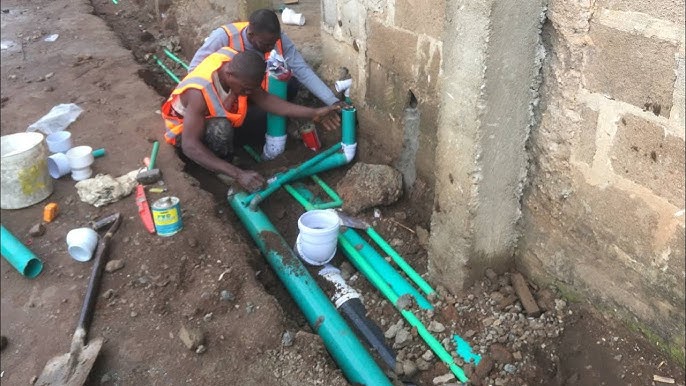

Nigeria’s plumbing and building services sector is undergoing a gradual transformation as private firms push for higher technical standards, improved installation quality, and greater professionalism across the industry.
The shift comes amid rapid urbanisation, rising real estate development, and increasing concerns over poor construction quality in Africa’s largest economy. Industry operators say demand for durable plumbing systems and certified installation practices has grown steadily as property developers seek to reduce long-term maintenance costs and improve building safety.
One firm positioning itself at the centre of that transition says the sector can no longer rely on informal practices and low-cost installations that often compromise infrastructure integrity.
Executives at the company said investments in technical training, product quality control, and modern installation methods are helping raise operational benchmarks in Nigeria’s fragmented plumbing market. The company has also expanded partnerships with contractors, engineers, and developers as competition intensifies within the country’s construction ecosystem.
The plumbing industry, long viewed as an overlooked segment of the broader construction sector, has become increasingly important as developers focus on sustainability, water efficiency, and compliance with modern building regulations.
Analysts say stronger standards could have wider economic implications for Nigeria’s infrastructure ambitions. Faulty plumbing systems remain a major contributor to structural damage, water wastage, and rising repair costs in residential and commercial projects. Improving technical standards could therefore reduce lifecycle costs for property owners while boosting confidence in the real estate market.
Construction activity in Nigeria has remained resilient despite inflationary pressure, currency volatility, and higher material costs. Developers continue to invest in residential estates, commercial towers, hotels, and industrial projects, particularly in urban centres such as Lagos and Abuja.
Industry stakeholders argue that workforce development will be critical to sustaining growth. Many construction firms still face shortages of certified technical professionals, including plumbers, electricians, and mechanical engineers. Companies investing in vocational education and hands-on training are increasingly viewed as essential contributors to long-term sector stability.
Market observers also note that customers are becoming more quality-conscious. Rising awareness around water management, sanitation, and building durability has encouraged both corporate and individual clients to prioritise reputable brands and certified service providers over cheaper alternatives.
The broader opportunity remains substantial. Nigeria’s housing deficit, estimated in the millions of units, continues to drive demand for construction materials and technical services. As infrastructure spending and urban development accelerate, firms capable of combining technical expertise with reliable execution are expected to gain market share.
For the plumbing sector, the move toward higher standards may mark the beginning of a more structured and professional era in Nigeria’s construction industry.