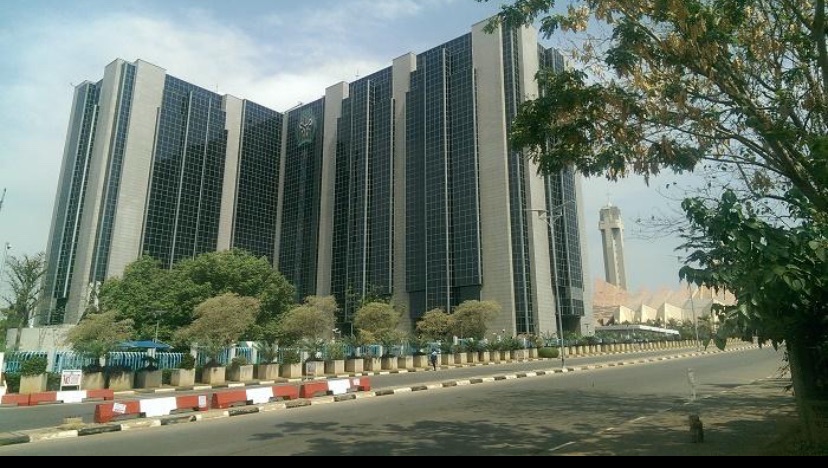

The Central Bank of Nigeria (CBN) has decided to keep the country’s benchmark interest rate, known as the Monetary Policy Rate (MPR), unchanged at 26.5 percent as it continues efforts to control inflation and maintain economic stability.
Speaking after the 305th meeting of the Monetary Policy Committee (MPC) in Abuja, the Governor of the Central Bank of Nigeria, Olayemi Cardoso, explained that the committee agreed to retain all major monetary policy parameters.
The CBN also kept the Standing Lending Facility corridor at +50 and -450 basis points around the MPR. In addition, the Cash Reserve Ratio (CRR) remained unchanged at 45 percent for deposit money banks, 16 percent for merchant banks, and 75 percent for non-TSA public sector deposits.
According to Cardoso, the decision was based on careful consideration of current economic conditions and possible risks facing the economy.
He noted that inflation had increased slightly over the past two months, mainly due to global economic pressures and external shocks. However, the MPC believes the rise is temporary and expects inflation to slow down again in the coming months.
The committee pointed to the ongoing crisis in the Middle East as one of the major causes of rising energy prices, transportation costs, and logistics expenses around the world. Despite these global pressures, the CBN said Nigeria’s economy has remained relatively stable because of reforms already introduced by monetary and fiscal authorities.
Cardoso explained that improvements in exchange rate stability, stronger external reserves, tighter monetary policies, and ongoing fiscal reforms have helped reduce the impact of global shocks on Nigeria’s economy.
He added that Nigeria’s banking sector remains well-capitalized and strong enough to absorb external economic pressures. According to him, these measures have significantly reduced the effect of rising global commodity and energy prices on local inflation.
The CBN governor stressed that the MPC believes the conditions necessary for price stability are still in place. As a result, committee members agreed that maintaining a cautious monetary policy stance was necessary to keep inflation expectations under control and protect macroeconomic stability.
Cardoso also revealed that Nigeria’s foreign reserves had climbed to $49.49 billion, close to the level recorded before the recent Middle East tensions began affecting global markets.
He stated that the reserves are strong enough to cover about nine months of imports, a development expected to improve investor confidence and strengthen the outlook for the Nigerian economy.
While admitting that inflation could rise moderately in the short term due to external pressures, Cardoso said the increase would likely be temporary. He expressed confidence that improved food supply, exchange rate stability, and ongoing economic reforms would support future economic growth.
On the foreign exchange market, the CBN governor stated that the apex bank was no longer actively intervening in the FX market. According to him, the market has become deep and stable enough to function independently.
He clarified that the CBN only provides support for loan repayments and transactions involving government agencies when necessary.
Cardoso also spoke about the ongoing banking recapitalization exercise. He assured Nigerians that the CBN would continue monitoring the process closely to prevent risks that could threaten financial system stability.
He added that banks facing legal or regulatory challenges in meeting recapitalization requirements would be given additional time, while the CBN ensures the overall safety of the banking system.