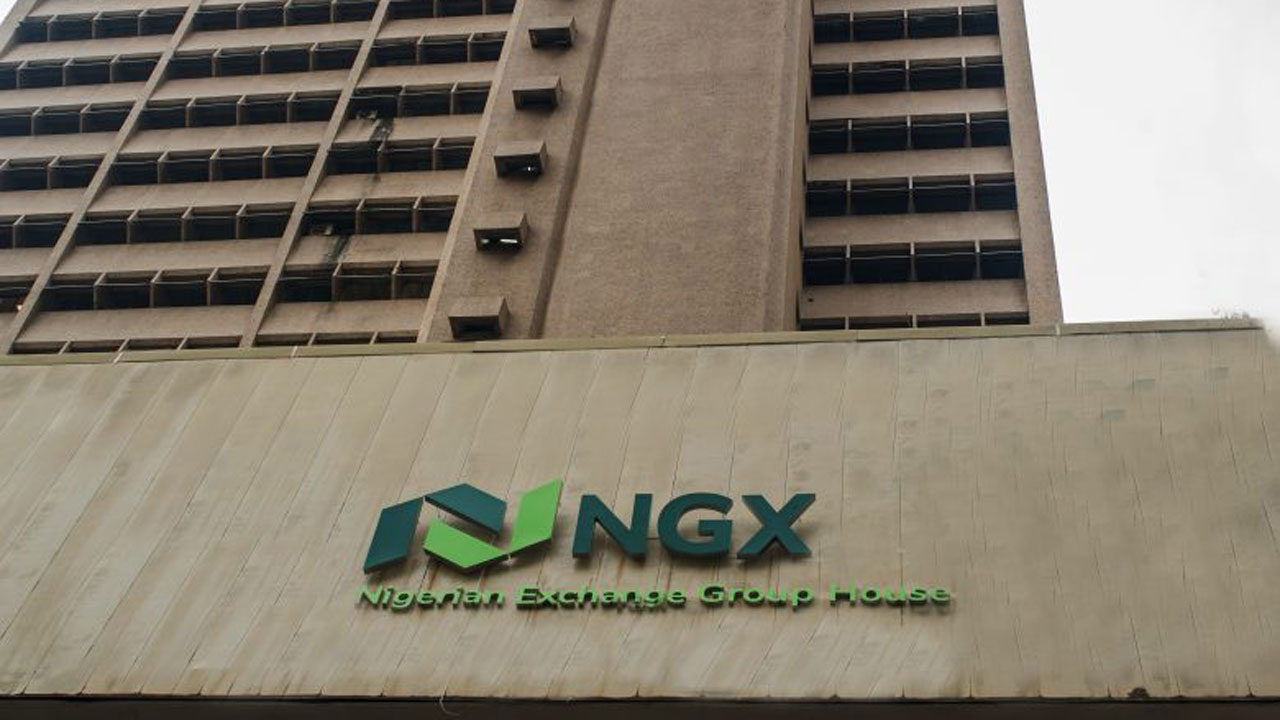

Nigeria’s largest listed companies are sharply increasing technology spending in 2026 as competition intensifies across banking, telecommunications, and industrial sectors. The surge reflects a broader race to modernize operations, strengthen cybersecurity, improve customer experience, and unlock new digital revenue streams.
Technology expenditure which includes software acquisition, cloud infrastructure, cybersecurity systems, data centers, artificial intelligence tools, and digital banking platforms has become a critical measure of corporate competitiveness on the Nigerian Exchange (NGX) Banks and telecom operators continue to dominate the spending rankings, driven by rising digital transaction volumes and growing demand for online services.
MTN Nigeria remains the country’s largest corporate technology spender in 2026.
The telecom giant has continued investing heavily in 5G expansion, fiber infrastructure, cloud services, and enterprise digital solutions as data consumption rises nationwide.
Airtel Africa has significantly increased capital allocation toward network modernization, artificial intelligence-driven customer analytics, and mobile money infrastructure across its African operations, including Nigeria.
Access Holdings has accelerated investment in digital banking architecture following its regional expansion strategy. The group is prioritizing cybersecurity, cloud migration, and fintech partnerships.
Zenith Bank continues to deploy substantial resources into digital payment systems and automation tools aimed at reducing operational costs while expanding retail banking penetration.
GTCO has maintained aggressive spending on mobile banking upgrades, artificial intelligence-enabled service channels, and transaction processing infrastructure.
UBA’s technology strategy in 2026 has focused on cross-border digital banking integration and enhanced payment processing systems serving its operations across Africa.
Seplat Energy has increased investment in operational technology, digital monitoring systems, and automation tools aimed at improving oil production efficiency and reducing downtime.
Dangote Cement is deploying smart manufacturing technologies and industrial automation systems to improve logistics efficiency and optimize production across its African plants.
First HoldCo has continued modernizing its banking infrastructure with fresh investments in cybersecurity, digital channels, and customer analytics platforms.
FBN Holdings rounds out the list as legacy banks increasingly channel resources into technology upgrades to compete with fast-growing fintech operators.
Analysts say the sharp rise in technology expenditure signals a structural shift in Nigeria’s corporate landscape. Companies are no longer treating digital investment as optional support spending but as a core strategic priority tied directly to growth, efficiency, and long-term profitability.
The trend also highlights mounting competitive pressure from fintech startups and global digital platforms, forcing traditional firms to modernize faster. For investors, sustained technology spending could improve operational efficiency and future earnings potential, although it may temporarily pressure margins due to higher upfront costs.
As Nigeria’s digital economy expands, technology investment is expected to remain a defining corporate theme across the NGX through the remainder of 2026.