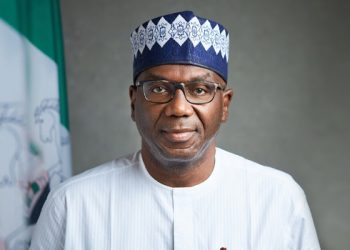
Nigeria’s oldest financial institution is attempting one of the most consequential reputation rebuilds in its modern history. At the centre of that effort is billionaire investor Femi Otedola, whose growing influence within FirstBank and its parent company, FirstHoldCo, is increasingly being viewed as a test case for corporate governance reform in Nigeria’s banking sector.
For years, FirstBank battled recurring governance controversies, boardroom disputes, regulatory scrutiny, and concerns over insider lending practices. Those challenges eroded investor confidence and raised broader questions about governance standards across Nigeria’s financial system. The recent restructuring efforts under Otedola’s leadership, however, signal a deliberate attempt to restore institutional credibility and reposition the lender for long-term stability.
Otedola, who emerged as a major shareholder before later becoming chairman of FirstHoldCo, has pushed a narrative centred on transparency, accountability, and operational discipline. Market analysts say the significance extends beyond one bank. FirstBank remains systemically important within Nigeria’s banking ecosystem, meaning improvements in governance standards could influence wider investor perceptions of the sector.
The governance reset comes at a critical period for Nigeria’s financial industry. Banks are navigating elevated inflation, currency volatility, tighter regulatory oversight, and ongoing recapitalisation pressures from the Central Bank of Nigeria. In that environment, strong governance is increasingly becoming as important to investors as profitability or balance-sheet strength.
Recent management and board changes at FirstHoldCo have been interpreted by the market as an effort to strengthen institutional controls while reducing the concentration of influence historically associated with legacy Nigerian banking structures. Analysts note that governance weaknesses have frequently amplified financial risks in emerging markets, particularly where ownership concentration and political connections intersect.
Investor sentiment toward Nigerian banking stocks has also become more selective. International and domestic investors are placing greater emphasis on environmental, social, and governance (ESG) metrics, particularly after a series of banking failures and governance scandals globally over the past decade. Institutions perceived to have stronger oversight frameworks are increasingly better positioned to attract long-term capital.
Still, restoring trust is rarely immediate. Governance reforms only gain credibility when supported by sustained execution, regulatory compliance, and measurable operational improvements. FirstBank’s ability to maintain stability, improve asset quality, and deliver consistent earnings growth will ultimately determine whether the market views the current reforms as structural rather than cosmetic.
For Nigeria’s corporate landscape, the implications are broader. If FirstBank succeeds in rebuilding confidence through stronger governance practices, it could strengthen calls for higher accountability standards across listed companies and financial institutions. In a market where trust often remains fragile, governance may prove to be the most valuable currency of all.