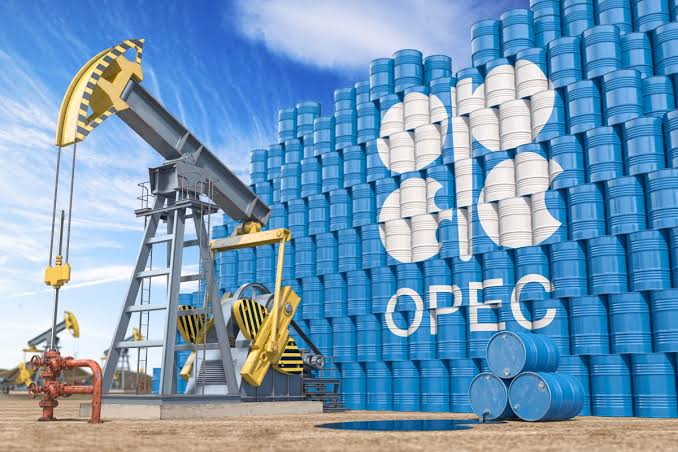

Nigeria has failed to meet its crude oil production quota set by the Organization of the Petroleum Exporting Countries (OPEC) for the ninth consecutive month, underscoring persistent operational and structural challenges in Africa’s largest oil-producing economy.
Data released by the Nigerian Upstream Petroleum Regulatory Commission showed that the country produced an average of about 1.4 million barrels per day (bpd) in April 2026, below OPEC’s assigned quota of 1.5 million bpd.
The latest figures highlight the difficulty Nigeria continues to face in restoring output despite government efforts to curb crude theft, improve pipeline security, and attract fresh upstream investment.
Oil production remains central to Nigeria’s economy, accounting for the bulk of foreign exchange earnings and a significant share of government revenue. Persistent underproduction therefore poses risks to fiscal projections, external reserves, and the country’s ability to benefit fully from elevated global crude prices.
Industry analysts say recurring pipeline vandalism, aging infrastructure, underinvestment, and operational shutdowns continue to weigh on output levels across key producing assets in the Niger Delta region.
The production shortfall also comes at a time when the federal government is seeking to strengthen public finances and support economic reforms aimed at stabilising the naira and improving investor confidence.
Nigeria had previously recorded stronger production levels above 1.6 million bpd before output weakened due to widespread crude theft and security disruptions. While authorities have reported progress in tackling illegal oil bunkering, production recovery has remained slower than expected.
The country’s inability to consistently meet its OPEC allocation may also affect its influence within the producer group, particularly as member nations continue to manage supply adjustments aimed at stabilising global oil markets.
Market participants note that higher production would significantly improve Nigeria’s fiscal position by increasing export earnings and boosting dollar inflows into the economy. This could help ease pressure on the foreign exchange market and support broader macroeconomic stability.
Meanwhile, energy stakeholders have called for accelerated reforms in the petroleum sector, including improved regulatory clarity, faster project approvals, and enhanced security around oil infrastructure to encourage greater investment from international and indigenous operators.
The government has repeatedly stated that raising crude output remains a strategic priority in 2026, especially as authorities target stronger economic growth and increased energy sector contributions to national revenue.
However, analysts caution that without sustained infrastructure upgrades and deeper structural reforms, Nigeria may continue struggling to consistently meet its OPEC production benchmark in the coming months.