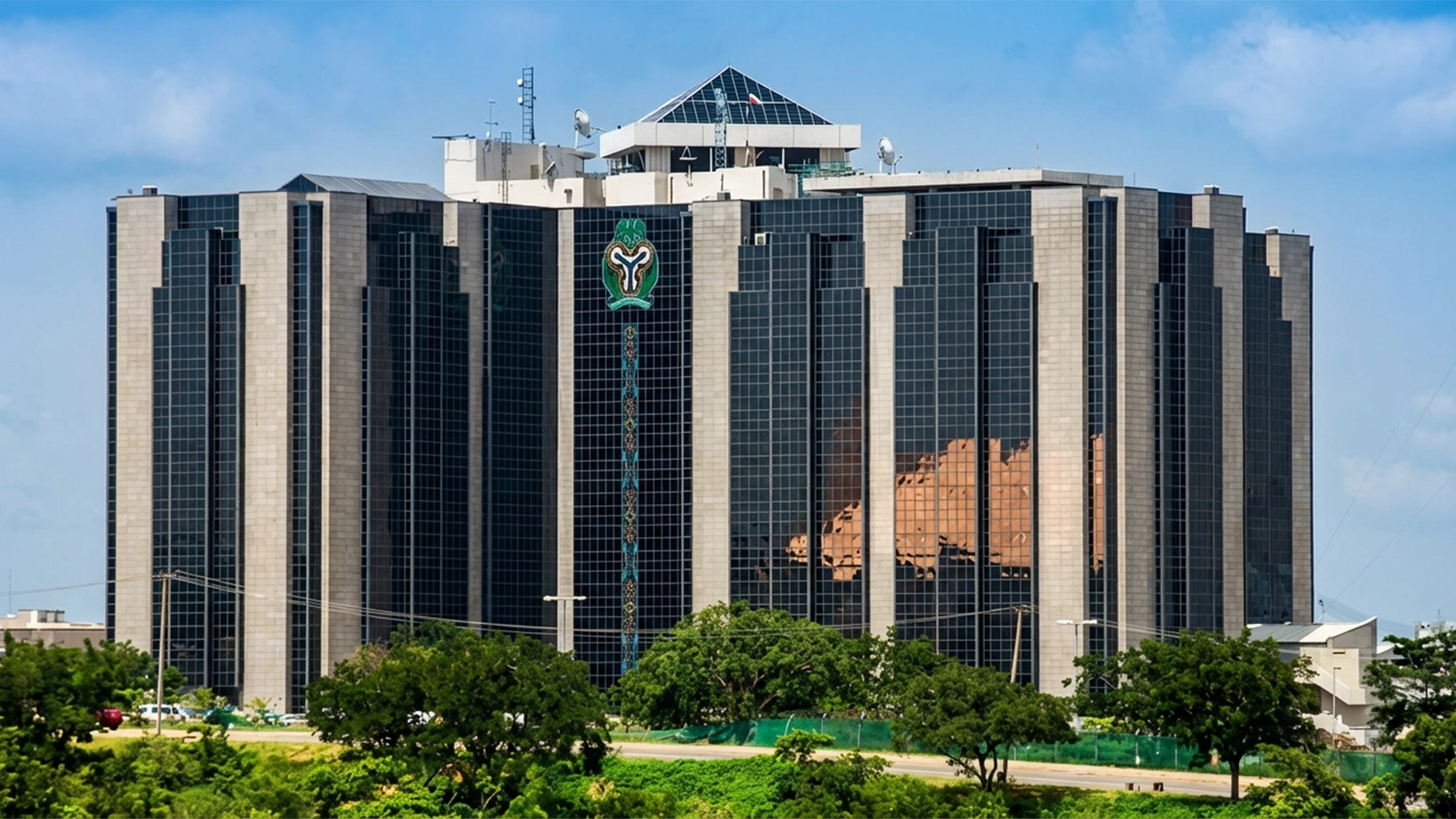

The Central Bank of Nigeria has cautioned state governments against an increasing dependence on short-term borrowing, warning that the trend could deepen fiscal vulnerabilities and undermine long-term economic stability.
The warning comes amid growing concerns over mounting debt obligations across Nigeria’s subnational governments, many of which face rising expenditure pressures, weak internally generated revenue, and shrinking federal allocations. Analysts say several states have increasingly turned to short-term bank facilities and overdrafts to fund recurrent spending and bridge budget deficits.
Speaking on the risks associated with aggressive short-term financing, the apex bank stressed that excessive reliance on such instruments could expose states to refinancing pressures, higher borrowing costs, and liquidity constraints. Short-term debt typically carries faster repayment timelines and variable interest rates, making it more vulnerable to monetary tightening and market volatility.
The CBN’s position reflects broader concerns about fiscal sustainability as Nigeria navigates a fragile macroeconomic environment marked by elevated inflation, exchange-rate instability, and slower consumer spending. Economists argue that state governments borrowing heavily to fund operational expenses rather than productive infrastructure could weaken public finances over time.
Financial analysts also warn that the increasing debt burden may crowd out capital investment in sectors such as healthcare, education, transportation, and power infrastructure. In many cases, states already devote a significant portion of their monthly revenues to debt servicing and salary obligations, limiting fiscal flexibility.
The central bank urged state authorities to adopt more prudent debt management strategies, strengthen revenue generation mechanisms, and prioritize long-term financing structures tied to economically productive projects. Experts say this could include expanding tax efficiency, improving public-private partnerships, and attracting infrastructure investment instead of depending heavily on short-duration commercial loans.
The warning aligns with wider efforts by Nigerian policymakers to reinforce fiscal discipline across all tiers of government. Investors and credit markets increasingly monitor subnational debt exposure as a measure of economic governance and financial resilience.
Market observers note that persistent short-term borrowing by states could also complicate monetary policy transmission. Higher government demand for domestic credit may tighten liquidity conditions in the banking system and increase pressure on interest rates, particularly as the CBN continues efforts to stabilize inflation and restore confidence in financial markets.
For investors, the development highlights the growing importance of transparency and sustainable fiscal planning in Nigeria’s public sector. Stronger debt oversight and disciplined borrowing practices are likely to become increasingly critical as governments seek to balance economic growth ambitions with financial stability.