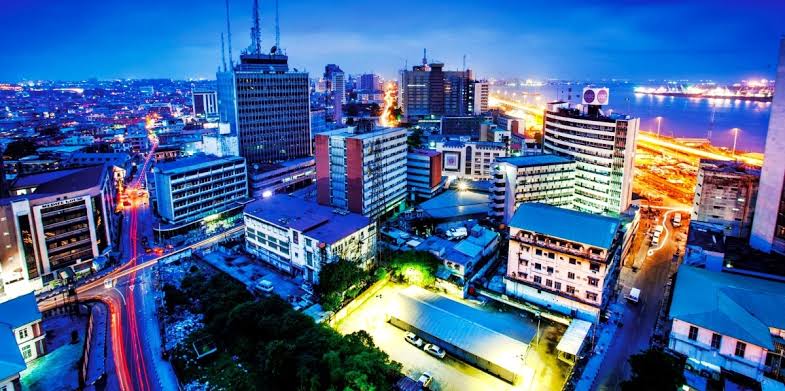

The Lagos State Electricity Regulatory Commission (LASERC) plans to roll out dedicated 24-hour electricity franchise zones across Lagos by October 2026, marking one of the state’s most ambitious power sector reforms in recent years.
The initiative is designed to improve electricity reliability for residential, commercial, and industrial consumers by creating ring-fenced distribution areas capable of delivering uninterrupted power supply. The move comes as Nigeria’s commercial capital continues to grapple with chronic grid instability, rising energy demand, and mounting pressure on businesses reliant on expensive diesel generation.
Under the proposed framework, selected franchise zones will operate through targeted investments in distribution infrastructure, metering systems, embedded generation, and network upgrades. Industry analysts say the model could attract private capital into the state’s electricity value chain while easing pressure on the national grid.
The announcement underscores Lagos State’s broader push to assert greater control over electricity regulation following the constitutional and legislative reforms that decentralized Nigeria’s power sector. LASERC, established to regulate the state’s electricity market, has increasingly positioned itself at the center of Lagos’ long-term energy transition strategy.
Energy experts say the franchise model reflects growing recognition that reliable electricity supply is critical to sustaining economic growth in Lagos, which accounts for a significant share of Nigeria’s GDP and industrial activity.
“For businesses, uninterrupted power supply directly affects operating costs, productivity, and competitiveness,” analysts noted. “Reducing dependence on self-generation could materially improve margins for manufacturers, retailers, and technology firms operating in Lagos.”
The planned rollout is also expected to create investment opportunities for independent power producers, infrastructure developers, and energy technology companies seeking exposure to Nigeria’s evolving electricity market.
However, implementation risks remain substantial. Industry stakeholders point to financing constraints, aging distribution infrastructure, regulatory coordination challenges, and the need for cost-reflective tariffs as key hurdles that could affect execution timelines.
Nigeria’s power sector has historically struggled with low generation capacity, transmission bottlenecks, and liquidity challenges across the value chain. Despite multiple privatization efforts over the past decade, businesses and households continue to experience widespread outages, forcing many consumers to rely on generators and alternative energy solutions.
If successfully implemented, the Lagos franchise zones could become a template for subnational electricity reforms across Nigeria. The initiative may also accelerate competition among electricity providers and improve service delivery standards in Africa’s most populous city.
Market participants will now closely watch LASERC’s regulatory framework, investor engagement process, and infrastructure rollout plans ahead of the October 2026 target date.