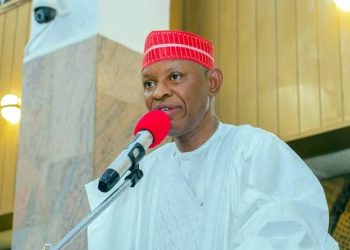

Ellah Lakes Plc, the Nigerian agribusiness firm, has taken a significant but undisclosed financial hit following the collapse of its planned N235 billion capital raising, according to chief executive Chuka Mordi. Speaking to reporters on Thursday, Mordi confirmed that the company incurred “substantial costs” tied to advisory, legal, and regulatory engagements, expenses that will now weigh on near-term earnings without the offset of fresh capital.
The proposed transaction, first announced in late 2024, was intended to fund a major expansion of the company’s oil palm, rice, and aquaculture value chains. It would have ranked among the largest capital raises by a Nigerian mid-cap agribusiness in recent years. However, the offer was pulled last month after what Mordi described as “unfavourable market conditions and mismatched investor expectations on valuation.”
While the CEO did not disclose the exact financial hit, analysts estimate that deal-related costs, including due diligence, legal documentation, regulatory filings with the Securities and Exchange Commission (SEC), and fees to issuing houses and stockbrokers could range between 1.5% and 3% of the proposed raise, or roughly N3.5 billion to N7 billion. “Those are sunk costs,” said Tunde Adeyemi, a Lagos based capital markets analyst. “For a company of Ellah Lakes’ size, that level of unrecovered expenditure is material.”
Mordi stressed that the decision to abort the raise was prudent despite the incurred losses. “Proceeding with misaligned pricing would have destroyed long-term shareholder value far more than the fees we now absorb,” he said. Still, the episode raises broader questions about capital-raising discipline in Nigeria’s volatile equity market, where inflation, currency risk, and shifting foreign portfolio sentiment often derail transactions at the final stage.
Ellah Lakes’ shares closed flat on the Nigerian Exchange on Friday, but trading volumes dropped 22% week-on-week, suggesting investor caution. The company now says it will consider a smaller, staged capital raise or strategic debt facilities, though no timeline has been set. For agribusinesses reliant on patient capital to develop plantation crops, which take years to mature, such delays can carry steep operational consequences.
Mordi remains defiant. “We took a difficult but responsible decision,” he said. “What matters now is how quickly we pivot.” Investors, however, will be watching the next set of quarterly filings to see how deeply those aborted costs cut into the company’s balance sheet.