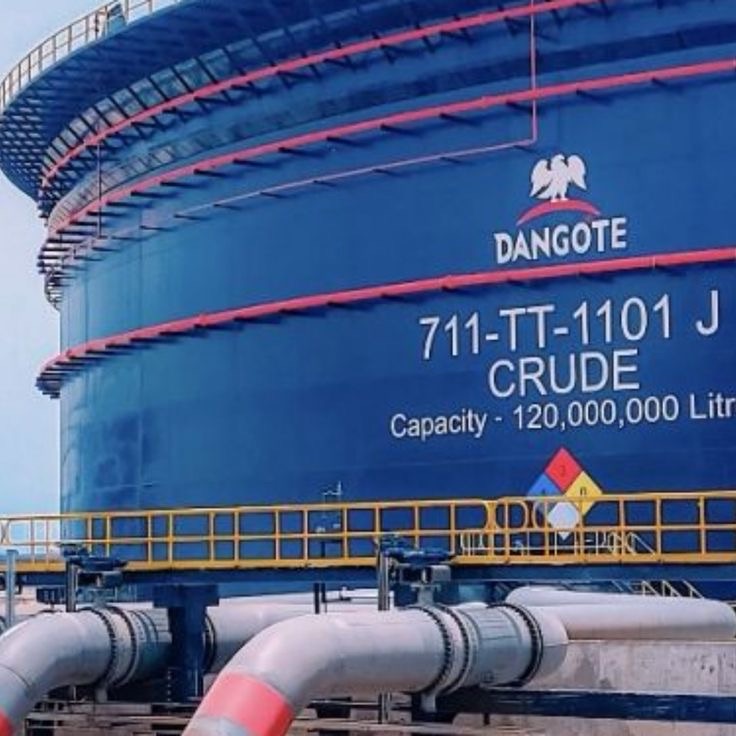

Nigeria’s fuel market is experiencing another price increase as the Dangote Refinery has raised the ex-depot price of Premium Motor Spirit (PMS), commonly known as petrol, to N1,350 per litre
This latest adjustment represents a **N75 increase** from the previous price of N1,275 per litre. It also marks the second time within a week that the refinery has raised prices by the same margin, highlighting the rapid changes currently shaping the downstream oil sector.
According to industry sources, the new price has already been implemented across all loading points at the refinery. This means fuel marketers must quickly update their pricing structures, a move that is expected to affect depot and retail pump prices nationwide.
Market insiders say the change is not random but reflects ongoing challenges such as rising supply costs and unstable market conditions. In recent weeks, petrol pricing has been highly sensitive to both local and international factors, forcing regular recalculations.
One major factor behind the increase is a recent **temporary suspension of pro forma invoices (PFIs)**. This disruption reportedly limited fuel availability for a short period, creating a supply squeeze.
When combined with global crude oil price movements and rising logistics expenses, the result has been an upward push in depot prices. Industry players describe the adjustment as a natural response to these pressures rather than a deliberate attempt to inflate costs.
Interestingly, despite these repeated increases, officials within the Dangote Group have stated that the refinery is still subsidising petrol and diesel supplied to the Nigerian market.
This claim suggests that actual market prices could be even higher without internal cost absorption by the refinery. However, consumers continue to feel the impact as prices steadily climb.
Over the past month, petrol prices from Dangote Refinery have fluctuated multiple times. While there were brief reductions earlier due to competition and excess supply, the trend has recently reversed due to tightening availability and rising global oil prices.
These frequent changes signal that Nigeria’s fuel market is still in a **transition phase**, especially following deregulation policies that allow prices to be determined by market forces.
The latest increase is expected to lead to higher pump prices across the country, as marketers pass the added costs on to consumers. For many Nigerians already dealing with inflation and high transportation costs, this could worsen financial pressure.
The situation reflects a broader shift in Nigeria’s energy landscape. As domestic refining gradually replaces fuel imports, pricing is becoming more influenced by global crude costs, foreign exchange rates, and distribution challenges.
While the rise of local refining—led by Dangote Refinery—promises long-term benefits, the short-term reality is a market still adjusting, with price volatility likely to continue.