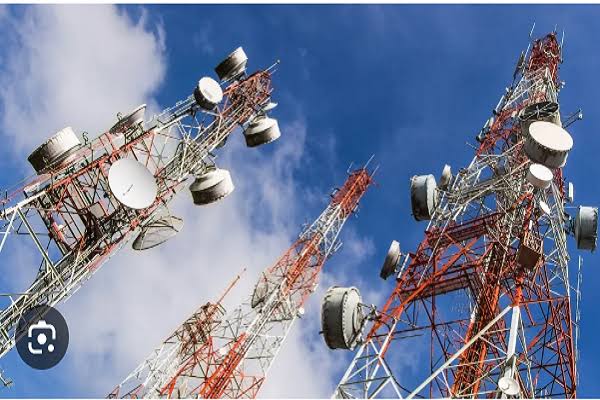

Imose Mobile, an indigenous mobile virtual network operator (MVNO), has commenced pre-commercial testing of its mobile network, marking a critical step toward its planned entry into Nigeria’s highly competitive telecommunications market.
The testing phase, announced on Monday, is designed to assess network performance, validate service quality, and refine the end-to-end user experience before a full commercial rollout. MVNOs operators that provide mobile services without owning the underlying network infrastructure typically rely on partnerships with established telecom companies to deliver coverage and connectivity.
In this case, Imose Mobile is deploying its services in collaboration with Airtel Nigeria, leveraging the latter’s infrastructure to achieve nationwide reach and high-speed data services across key urban and semi-urban markets. The arrangement underscores a growing trend in Nigeria’s telecoms sector, where infrastructure sharing is increasingly seen as a cost-efficient way to expand service offerings while maintaining competitive pricing.
Imose Mobile will operate within the 071803 number range, a dedicated allocation that will define its network identity during the testing phase and subsequent commercial operations.
Michael Nene, the company’s marketing manager, described the development as a pivotal moment for both the company and the broader industry. “Pre-commercial testing puts us in direct contact with the realities of our network,” he said, adding that the firm’s approach is rooted in field-based deployment rather than theoretical design. “We are building it in the field, for Nigerians, with Nigerian ambitions at the centre of every decision.”
The entry of Imose Mobile comes at a time when Nigeria’s telecoms market dominated by major players such as MTN Nigeria and Globacom is witnessing sustained demand for mobile data, digital services, and affordable connectivity. Industry analysts say MVNOs could play a disruptive role by targeting niche segments, offering flexible pricing models, and enhancing customer experience.
However, success will depend on execution. MVNOs globally operate on thin margins and must differentiate through service innovation, pricing, or targeted customer acquisition strategies. In Nigeria, regulatory support from the Nigerian Communications Commission has opened the door for new entrants, but market penetration remains a challenge given entrenched incumbents.
For consumers, the arrival of an indigenous MVNO could translate into greater choice and potentially lower tariffs, particularly in underserved segments. For the industry, it signals a gradual shift toward a more diversified and competitive ecosystem.
Imose Mobile said further details on its commercial launch timeline, product offerings, and nationwide rollout will be announced in the coming weeks, as it moves closer to full market entry.