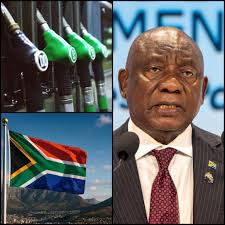

South Africa will increase the price of both grades of petrol by 75 cents per litre and diesel by 85 cents per litre from Wednesday, 6 May, following a rise in international oil prices driven by the ongoing conflict in the Middle East. The Department of Mineral Resources and Energy announced the adjustment, noting it as the third consecutive month of fuel price increases for the net importer of crude oil.
The price hikes are expected to have a ripple effect across the South African economy, pushing up transport costs and potentially adding to inflationary pressures. Governments have limited fiscal scope to cushion the impact because of existing budget constraints, leaving consumers and businesses to bear the brunt of the global energy shock.
From a broader economic view, South Africa faces a situation similar to many energy-importing nations, where higher fuel costs feed directly into household expenses and industrial production. The increase in diesel prices is particularly concerning for the mining and agricultural sectors, which rely heavily on diesel-powered machinery. For Nigeria, a major oil producer, these dynamics differ, but the interconnected nature of global energy markets means that price pressures can affect regional trade and the cost of imported goods. The persistent volatility in oil prices underscores the need for African nations to accelerate investments in local refining capacity and renewable energy sources to reduce exposure to external shocks.