
Growing tensions between Iran, Israel, and the United States are shaking global oil markets, and the effects are being felt far beyond the Middle East. Economic experts say the ongoing conflict is driving oil prices higher, creating uncertainty that is spreading into inflation, weakening currencies, and slowing investment—especially in developing economies like Nigeria and Ghana.
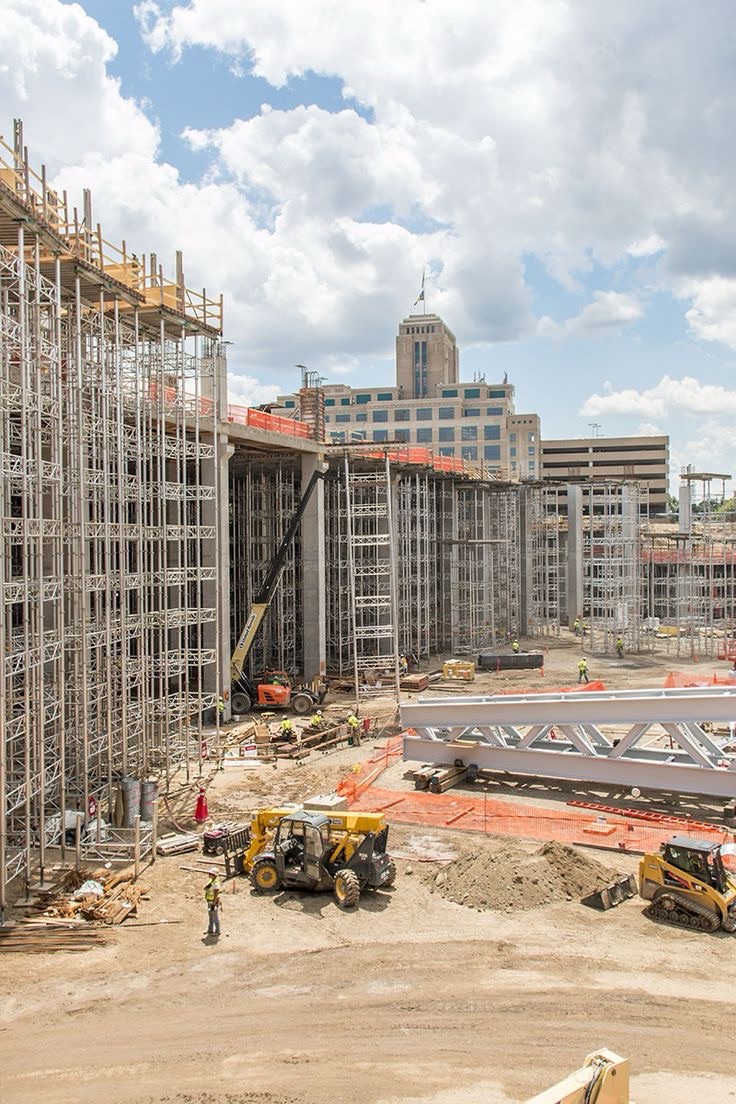
One of the biggest impacts is being seen in construction and real estate. As fuel prices rise, the cost of running construction sites has increased significantly. Many building activities depend heavily on diesel, making projects more expensive to complete.
At the same time, the prices of essential building materials—such as plastic pipes, cables, and steel rods—have jumped sharply, in some cases by up to 40 percent. This has made it harder for developers to plan and complete projects within budget.
Nigeria and Ghana, the two largest economies in West Africa, are particularly vulnerable. Both countries are already dealing with existing economic challenges, and the global oil situation is making things worse. Disruptions around the Strait of Hormuz, a key route for oil transportation, are adding pressure to energy markets and increasing costs worldwide.
According to real estate analyst Chudi Ubosi, both countries are entering this period from a weak structural position. While there is strong demand for housing, the systems needed to meet that demand—such as financing, land management, and efficient construction—are still lacking.
Nigeria, for example, faces a housing shortage of up to 28 million units. Ghana, though smaller, struggles with similar issues due to rapid urban growth and high construction costs. Major cities like Lagos, Abuja, and Accra are seeing increasing population pressure, which is stretching infrastructure and housing supply.
Ubosi explained that the main problem is not a lack of buyers, but inefficiency in the system. The current global crisis is making these weaknesses more obvious. Rising energy costs are affecting everything—from transportation to building materials—leading to higher living expenses overall.
While higher oil prices could bring in more revenue for oil-producing countries like Nigeria, the negative effects are still strong. Increased fuel costs raise the price of goods and services, making life more expensive for households.
For real estate developers, the situation is becoming more difficult. Costs can change quickly, making it risky to start or continue projects without strong financial planning. In addition, weaker local currencies, such as the naira and the cedi, are making imported materials more expensive.
For everyday people, affordability is becoming a major concern. As food and fuel prices rise, many households have less money to spend on housing. Buyers are now focusing more on total living costs, including transport and utilities, rather than just the appearance of a home.
This shift is expected to change the housing market. Affordable and mid-range homes will likely see more demand, while expensive luxury properties may struggle to attract buyers.
Financing also remains a major challenge. Access to mortgages is still very limited in both countries, making it difficult for many people to own homes and forcing developers to depend on short-term funding.
Experts believe that government action will be key in addressing these challenges. Reforms in land systems, housing finance, and infrastructure investment could help reduce the pressure and improve market stability.
As global tensions continue to influence oil prices, Nigeria and Ghana face a critical moment. The decisions made by governments, investors, and developers in 2026 will play a major role in shaping the future of their economies.