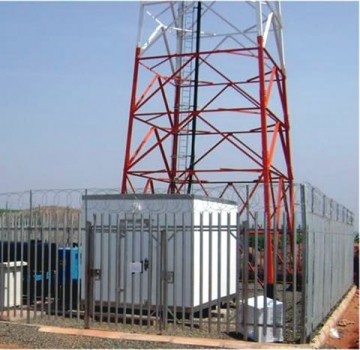

The sustained rise in diesel prices, now exceeding N2,000 per litre in many locations, is threatening a N140 billion margin hit for MTN Nigeria as the telecommunications giant accelerates its transition to gas-powered infrastructure. Diesel has long been the primary fuel for telecom tower generators, which provide backup power where grid electricity is unreliable. With diesel costs more than doubling over the past year, operating expenses have ballooned.
MTN Nigeria, which operates thousands of base stations across the country, has been investing heavily in converting its towers to natural gas and renewable energy sources. However, the transition is capital-intensive and requires new infrastructure, including gas pipelines, storage tanks, and conversion kits. In its Q1 2026 results, the company reported strong revenue growth but cautioned that energy costs remain a significant headwind. Analysts estimate that every N100 per litre increase in diesel price adds approximately N7 billion to MTN’s annual opex.
From an economic perspective, MTN’s experience reflects a broader challenge facing Nigerian businesses: the high cost of self-generated power. Manufacturers, telecoms, banks, and retailers all spend heavily on diesel to keep their operations running. These costs are ultimately passed on to consumers in the form of higher prices for goods and services. The government’s push for gas as a transition fuel is gaining traction, with the Decade of Gas policy encouraging investment in gas infrastructure. However, the pace of conversion remains slow, and diesel remains the default option for many firms.
The potential N140 billion margin hit suggests that if diesel prices remain elevated, MTN may need to raise tariffs or cut other costs to protect profitability. The Nigerian Communications Commission has been reluctant to approve tariff increases, citing consumer affordability concerns. This regulatory constraint leaves operators with limited room to adjust to external shocks. The race to gas is therefore not just an environmental or efficiency play; it is a survival imperative for Nigeria’s telecom industry, which provides critical digital infrastructure for the economy.