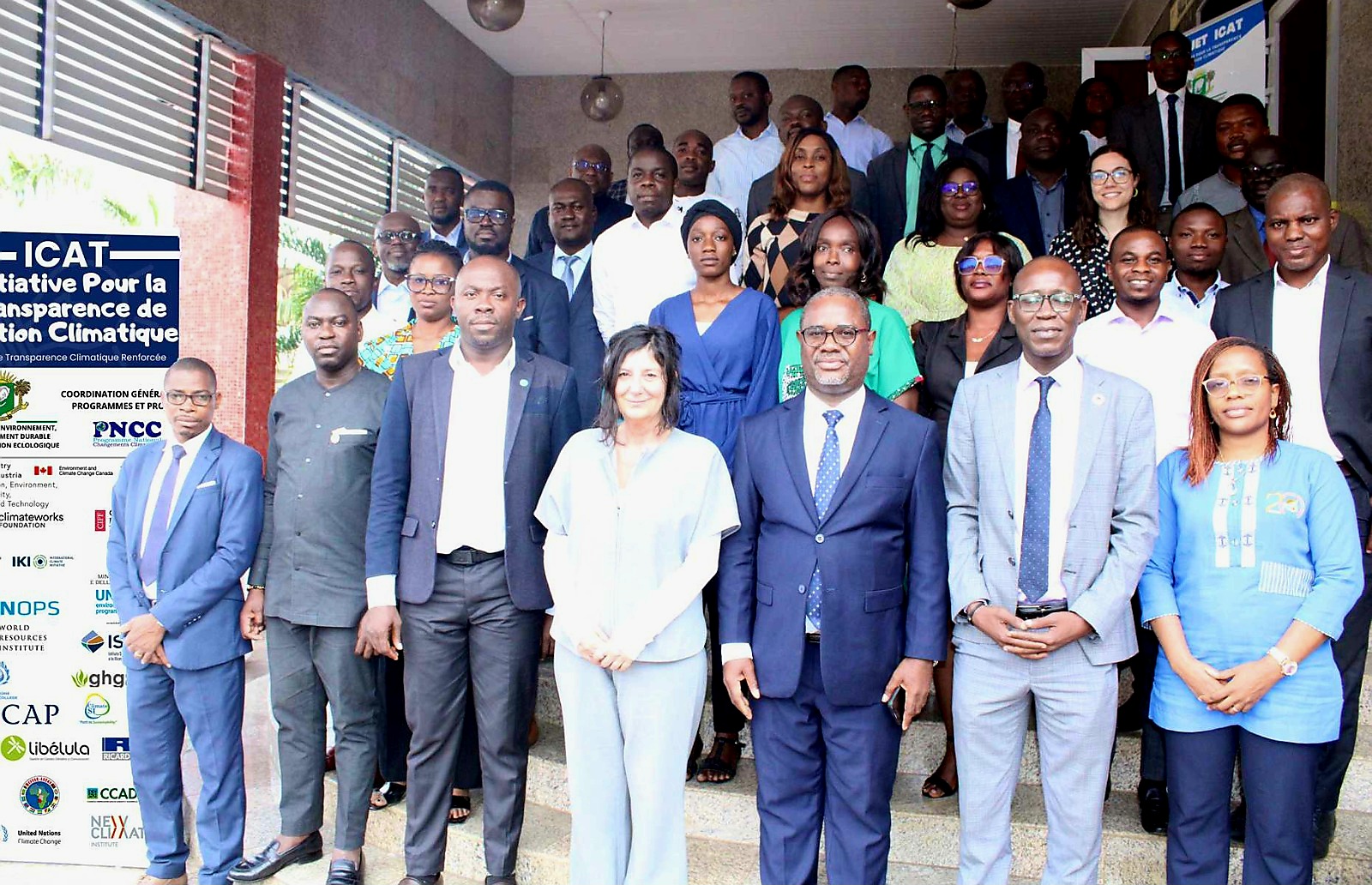

Côte d’Ivoire has taken a new step in improving public financial management after a workshop in Abidjan reviewed the country’s latest Public Expenditure and Financial Accountability (PEFA) assessment, the fourth such evaluation since 2008. Officials highlighted a new “PEFA++” approach that now includes gender and climate considerations, reflecting broader goals of inclusive and sustainable development alongside traditional fiscal accountability.
Three reports were presented covering overall performance, gender-sensitive public finance, and climate-related budgeting. Partners including the European Union noted progress but pointed to persistent challenges such as payment arrears and weak cash management systems. A key concern is the lack of a centralized, updated system for tracking public commitments, which affects fiscal visibility and the government’s ability to manage contingent liabilities.
The findings will guide public finance reform for 2026 to 2028, aimed at improving accountability, efficiency, and economic resilience. Authorities pledged to build on gains and support reform implementation. From a governance perspective, the integration of gender and climate metrics into the PEFA framework reflects a global trend toward more holistic assessment of public financial management. For Côte d’Ivoire, which has sustained one of West Africa’s fastest growth rates over the past decade, transparent and efficient use of public resources is critical to maintaining investor confidence and financing infrastructure projects. Addressing payment arrears and modernizing commitment tracking systems would reduce fiscal risks and improve the business environment. The government’s willingness to submit to repeated independent assessments signals commitment to reform, though implementation of recommendations will determine whether transparency gains translate into tangible development outcomes.