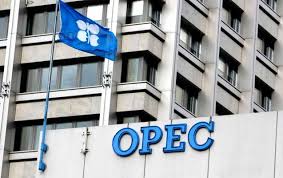

Nigeria remains one of the Organisation of Petroleum Exporting Countries’ most resource-rich members, but new data from the group’s 2026 Annual Statistical Bulletin reveals persistent structural deficiencies in both the oil sector and the wider economy. The country has an estimated population of about 237.5 million, making it the most populous member of OPEC. However, its crude oil production, averaging roughly 1.43 million barrels per day, remains moderate compared to other member states.
The data suggests that Nigeria’s demographic weight is not translating into proportionate oil output. Despite its substantial human capital, production levels have been constrained by a combination of underinvestment, pipeline vandalism, crude oil theft, and regulatory uncertainty. A reliance on imported refined products despite being a major crude producer has perpetuated exposure to global price shocks and pressure on the naira.
OPEC’s findings highlight a disconnect between resource endowment and economic outcomes. While oil sales generate a significant share of government revenue and foreign exchange, the benefits have not translated into broad-based industrialisation or job creation. The country has historically ranked lower on indices of economic complexity and domestic value addition.
From a fiscal and industrial policy perspective, the data reinforces the case for accelerating domestic refining capacity, improving the business environment for energy investment, and addressing the infrastructure deficits that limit production. Without structural reforms that increase output, reduce waste, and diversify the economy, Nigeria’s oil wealth will remain a volatile and underutilised asset.