
Nigeria has stepped up its campaign for a more equitable global shipping transition, warning that the industry’s race to net-zero emissions by 2050 risks sidelining developing economies without targeted financial and policy support.
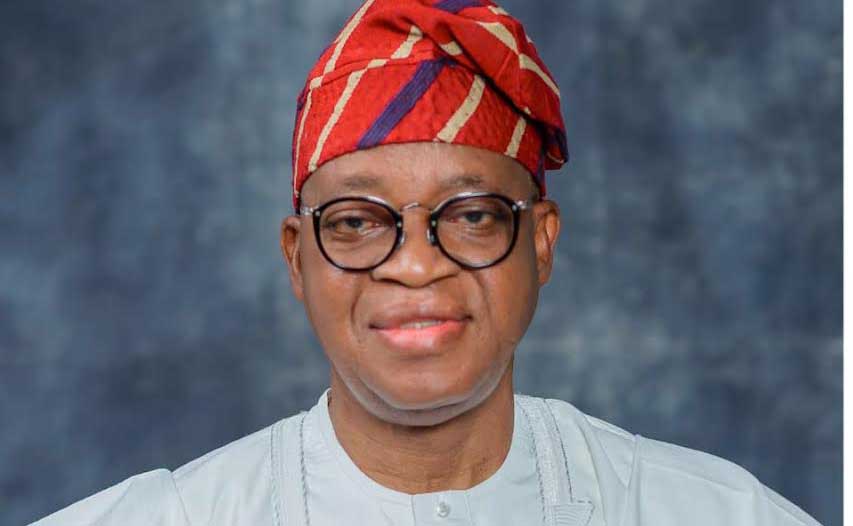
Speaking at the 84th session of the Marine Environment Protection Committee (MEPC 84) of the International Maritime Organization in London, Minister of Marine and Blue Economy Adegboyega Oyetola argued that decarbonisation frameworks must reflect the economic realities of emerging maritime nations.
Oyetola reaffirmed Nigeria’s backing for the global net-zero agenda but cautioned that achieving zero emissions defined as balancing greenhouse gas output with removal or offsetting, must not come at the expense of development. “Achieving net-zero emissions by 2050 must align with sustainable development goals,” he said, emphasising the need for equitable financing, technology transfer, and flexible regulatory timelines.
The intervention comes as the global shipping industry faces a costly transformation. Analysts estimate that decarbonising maritime transport responsible for nearly 3% of global emissions will require trillions of dollars in investment across alternative fuels, vessel retrofits, and port infrastructure. For developing countries, limited access to capital and technology presents a structural disadvantage.
Beyond the plenary session, Nigeria used the forum to strengthen diplomatic and institutional ties. In bilateral talks with IMO Secretary-General Arsenio Dominguez, Oyetola reiterated Nigeria’s commitment to maritime safety, regulatory compliance, and capacity building. Discussions also covered collaboration on sustainable blue economy initiatives, an economic model focused on the sustainable use of ocean resources for growth and livelihoods.
Dominguez acknowledged Nigeria’s growing influence in global maritime governance, highlighting its expanding role on the IMO Council and progress in port modernisation and digitalisation. He also commended Nigeria’s leadership in improving maritime security in the Gulf of Guinea, where coordinated regional efforts have significantly reduced piracy incidents in recent years.
The IMO chief further pointed to his recent visit to Abuja, including meetings with President Bola Ahmed Tinubu, as evidence of Nigeria’s increasing political commitment to maritime reform and global engagement.On the sidelines, Nigeria also advanced bilateral cooperation with Saudi Arabia, holding talks with Transport General Authority President Fawaz Al Sehali. Both sides pledged closer coordination within the IMO framework and mutual support on regulatory and sustainability initiatives.
Industry observers say Nigeria’s assertive stance reflects a broader push by African economies to shape the rules of a low carbon shipping regime. Without inclusive frameworks, stakeholders warn, the transition could deepen global trade imbalances by raising costs for exporters in developing markets.
For Nigeria, the strategy is clear: position itself as a leading voice in maritime policy while ensuring that the shift to cleaner shipping does not undermine economic growth. As the sector accelerates toward 2050 targets, the debate over who pays and who benefits will increasingly define the future of global trade.