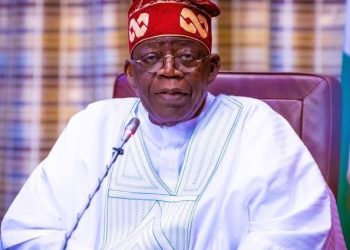
The Senate has approved a $516.3 million syndicated financing facility for the construction of the Sokoto-Badagry Superhighway Project, following the consideration and adoption of a committee report during plenary. The approval followed a request dated Monday, April 20, 2026, from President Bola Tinubu, seeking legislative backing for external borrowing in line with the provisions of the Debt Management Office (Establishment) Act 2011 and the Fiscal Responsibility Act 2007.
The request was referred to the Senate Committee on Local and Foreign Debt on April 23, 2026; the committee subsequently presented its report recommending approval of the loan. Presenting the report on behalf of the committee chairman, Senator Aliyu Wamakko (Sokoto North), Senator Adamu Aliero (Kebbi Central) explained that although the loan will add to Nigeria’s external debt stock, it is tied to long-term capital development projects expected to generate significant economic returns. The lawmakers, after approving the loan, directed quarterly reporting by the Federal Ministry of Finance, the Debt Management Office, and the Ministry of Works, as well as the submission of the financing agreement within 30 days. The House of Representatives had, on Tuesday, approved the loan request.
From an economic perspective, the 1,000-kilometre superhighway is designed to link the northwest to the southwest, running from Illela in Sokoto State through Kebbi, Niger, Kwara, Oyo, and Ogun, terminating in Badagry, Lagos State. The project is expected to improve north-south connectivity, reduce travel time from approximately 13 hours to six hours, lower transport costs for goods, and boost trade by easing the movement of products between farms, markets, and ports. The loan has a tenor of nine years, including a three-year grace period, with an interest rate not exceeding the Chicago Mercantile Exchange SOFR plus 5.3 per cent per annum.
However, the addition of $516 million to Nigeria’s external debt stock raises questions about fiscal sustainability, particularly given the country’s high debt service-to-revenue ratio. The government’s ability to ensure timely completion and transparent execution will determine whether the investment delivers the promised returns. The quarterly reporting requirement imposed by the Senate provides a mechanism for oversight, but sustained scrutiny will be required to prevent cost overruns and delays that have plagued past infrastructure projects.