
Thursday, July 30, 2026
  • Login
No Result
View All Result
The Business Times
  • News
  • BT Exclusive
  • Economy
  • Business
  • Financial Markets
  • Politics
  • Energy
  • Insights
  • Sports
  • News
  • BT Exclusive
  • Economy
  • Business
  • Financial Markets
  • Politics
  • Energy
  • Insights
  • Sports
No Result
View All Result
The Business Times
No Result
View All Result
Home Economy

Naira Slumps to 17‑Day Low as FX Liquidity Dries Up

bySodiq Adeoyo
April 29, 2026
in Economy, Financial Markets
0
Naira Slumps to 17‑Day Low as FX Liquidity Dries Up
12
VIEWS
Share on FacebookShare on Twitter

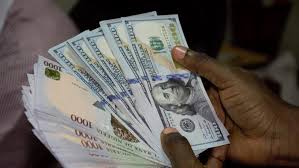
The naira weakened to a 17‑day low of N1,380.71 per dollar in the official foreign exchange market as liquidity slowed sharply, with turnover on the Nigerian Foreign Exchange Market dropping to zero on Tuesday. According to data from the Central Bank of Nigeria, the currency depreciated by N16.47 in a single trading session, representing a 1.19 per cent decline from N1,364.24 quoted on Monday.

On a week‑on‑week basis, the naira weakened by N30.68, falling from N1,350.03 recorded a week earlier to N1,380.71, a decline of 2.22 per cent. In the parallel market, the naira remained stable at N1,400 per dollar, narrowing the gap between the official and parallel rates to N20 from N36 the previous day. The most striking signal of strain in the FX market was the complete absence of NFEM deals, compared to $276.7 million across 241 deals on Monday. Interbank turnover rose to $98.83 million, indicating that trading activity was largely confined to banks.

Market participants attribute the sharp depreciation to a decline in participation from exporters and other autonomous FX sources. “The absence of non‑bank supply typically signals tighter FX conditions,” a trader said. “When liquidity thins out like this, rates adjust quickly.” Nigeria’s external reserves have continued to decline, falling to $48.39 billion as of April 27 from a peak of $50.02 billion on March 11. External factors, including rising global energy prices and geopolitical tensions, are increasing dollar demand for fuel imports.

From a macroeconomic perspective, sustained naira weakness undermines the Central Bank’s efforts to stabilise prices and attract foreign portfolio investment. A weaker currency feeds directly into imported inflation, raising the cost of fuel, machinery, raw materials and consumer goods. The decline in reserves reduces the CBN’s firepower to defend the naira, creating a feedback loop that can accelerate depreciation. While the gap between official and parallel rates has narrowed, the underlying demand‑supply imbalance remains unresolved. Without a sustained increase in dollar inflows, whether from oil exports, diaspora remittances or foreign investment, pressure on the naira is likely to persist.

Tags: Central Bank of Nigeriacurrency depreciationExternal ReservesForeign ExchangeFuel Importsinterbank marketLiquiditynairaNFEMWorld Bank
Sodiq Adeoyo

Sodiq Adeoyo

Next Post
FG orders states, FCT set nutrition councils deadline

FG orders states, FCT set nutrition councils deadline

Leave a Reply Cancel reply

Your email address will not be published. Required fields are marked *

Recommended

Kenyan Billionaire Manu Chandaria Donates $150,000 to Boost Student Innovation

Kenyan Billionaire Manu Chandaria Donates $150,000 to Boost Student Innovation

6 months ago

Eko Disco Names Wola Joseph-Condotti Interim CEO Following Management Reshuffle

7 months ago

Popular News

  • High Interest Rates Tighten Access to Business Loans Across Nigeria

    0 shares
    Share 0 Tweet 0
  • Presco Posts N122.2bn H1 2026 Pre-Tax Profit, Proposes N10 Interim Dividend

    0 shares
    Share 0 Tweet 0
  • Nigeria’s Foreign Exchange Inflows Climb to $109.9 Billion as Non-Oil Earnings Gain Strength

    0 shares
    Share 0 Tweet 0
  • NGX Rally Continues as Investors Push Nigerian Stock Market to Fresh Record Highs

    0 shares
    Share 0 Tweet 0
  • Rite Foods Cuts Carbon Emissions, Increases Community Investment to Over ₦581 Million

    0 shares
    Share 0 Tweet 0

Connect with us

Facebook Twitter Instagram TikTok

Newsletter

Pages

  • About Page
  • Contact
  • Domestic Gas Sales Rise 30% as Nigeria’s Energy Reforms Gain Traction
  • Privacy Policy
  • Terms & Conditions

Navigation

  • News
  • BT Exclusive
  • Economy
  • Business
  • Financial Markets
  • Politics
  • Energy
  • Insights
  • Sports

© 2025 The Business Times NG .

Welcome Back!

OR

Login to your account below

Forgotten Password?

Retrieve your password

Please enter your username or email address to reset your password.

Log In
No Result
View All Result
  • Home
  • News
  • BT Exclusive
  • Economy
  • Business
  • Financial Markets
  • Politics
  • Energy
  • Insights
  • Sports

© 2025 The Business Times NG .