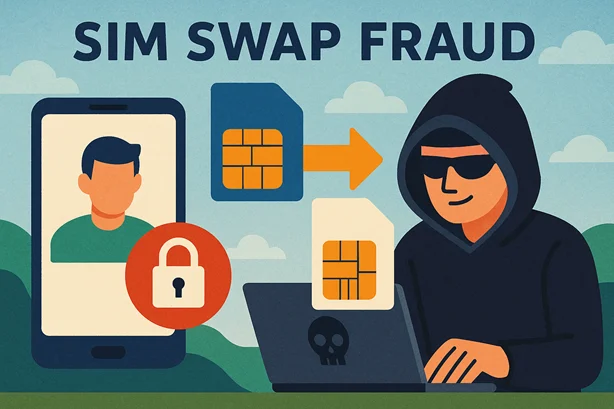

The House of Representatives has called on the Nigerian Communications Commission (NCC) to extend the period before inactive SIM cards and phone numbers are reallocated to new users from 180 days to 18 months, citing growing concerns over identity theft and financial fraud. The resolution followed the adoption of a motion by Billy Osawaru, lawmaker representing Edo State, during plenary on Tuesday. Lawmakers warned that the current framework, which allows telecom operators to deactivate and reassign dormant SIM cards after six months, exposes subscribers to serious risks of data breaches, particularly where such numbers remain linked to Bank Verification Numbers (BVN) and National Identity Numbers (NIN).
The House expressed worry that innocent Nigerians had been embarrassed, humiliated and extorted over false allegations linked to crimes committed by previous users of reallocated numbers. It noted that while the Data Protection Act 2023 provides a legal framework for safeguarding personal information, the NCC’s Telecom Identity Risk Management Policy prioritises commercial considerations over subscriber protection. Lawmakers argued that improperly managed SIM recycling could expose citizens to financial fraud, identity theft and wrongful criminal accusations.
In its resolution, the House urged the NCC to extend the reallocation period to 18 months, accompanied by a six‑month public notification window during which inactive numbers would be published in national newspapers and copied to security agencies, including the police, to enhance transparency and aid investigations. The Committees on Communications and Commerce were mandated to engage the NCC, the Nigeria Data Protection Commission and other relevant agencies to review the policy framework, with a report expected within four weeks.
From an economic perspective, the lawmakers’ intervention highlights a growing tension between operational efficiency in the telecom sector and the protection of consumer data in an increasingly digital economy. The ability of citizens to retain financial and identity links to their phone numbers is fundamental to trust in digital payment systems, credit scoring and e‑governance platforms. Extending the dormancy period may impose additional costs on telecom operators, but it could also reduce the rising incidence of fraud‑related disputes that ultimately burden the justice system and erode confidence in digital identity infrastructure.