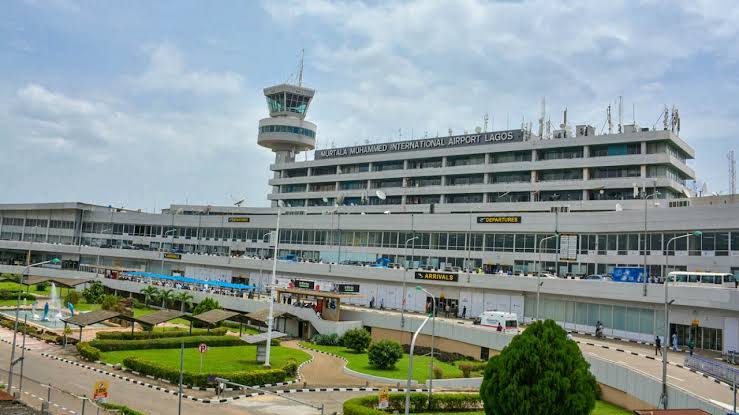

Air travel disruptions are common in Nigeria, but many passengers are unaware that they have legal protections when flights are delayed or cancelled. Under aviation and consumer protection regulations, airlines are expected to provide care, timely information, and in some cases, compensation to affected travellers.
According to the Federal Competition and Consumer Protection Commission (FCCPC), passengers are not left helpless when delays occur. The agency clearly states: “If your flight is delayed, you are supposed to be given refreshments. After some more hours of delay, you are supposed to be given airtime.”
This means that once a delay begins, airlines have an obligation to attend to passengers’ basic needs. Refreshments are expected within a reasonable time, while extended delays should come with communication support such as airtime or access to calls, ensuring travellers can inform family or adjust plans. Beyond these immediate provisions, Nigerian aviation regulations also require airlines to keep passengers informed. Airlines must communicate the reason for delays promptly and provide updates at intervals. This ensures transparency and allows passengers to make informed decisions about their travel.
In more severe situations, such as prolonged delays or cancellations, passengers may be entitled to additional support. The FCCPC explains that when disruptions escalate, airlines may need to go further: “transport will be provided because the airport is quite far from the town or city,” and “accommodation could be provided in certain instances.”
This applies especially when delays extend overnight or occur at inconvenient hours. In such cases, airlines are expected to arrange hotel accommodation and transportation between the airport and lodging. Passengers also have the right to compensation or reimbursement in certain scenarios, particularly when delays or cancellations are within the airline’s control. Nigerian Civil Aviation Regulations recognise that travellers deserve value for their money and may seek redress when services fall short. Importantly, travellers are encouraged to take action if their rights are ignored. Complaints should first be directed to the airline involved. If the response is unsatisfactory, the issue can be escalated to the FCCPC or relevant aviation authorities. Keeping receipts, tickets, and evidence of expenses can strengthen any claim for reimbursement.
Despite these protections, enforcement remains a challenge, with reports of stranded passengers receiving little or no support during disruptions. Rising operational costs, including aviation fuel prices, have contributed to frequent delays and cancellations in recent times. However, these challenges do not remove the airline’s responsibility to passengers.
Ultimately, knowing your rights is the first step toward ensuring fair treatment. Whether it is food during short delays, communication support during longer waits, or accommodation during overnight disruptions, Nigerian regulations are designed to protect passengers. Travellers who understand and assert these rights are better positioned to demand proper service and compensation when things go wrong.