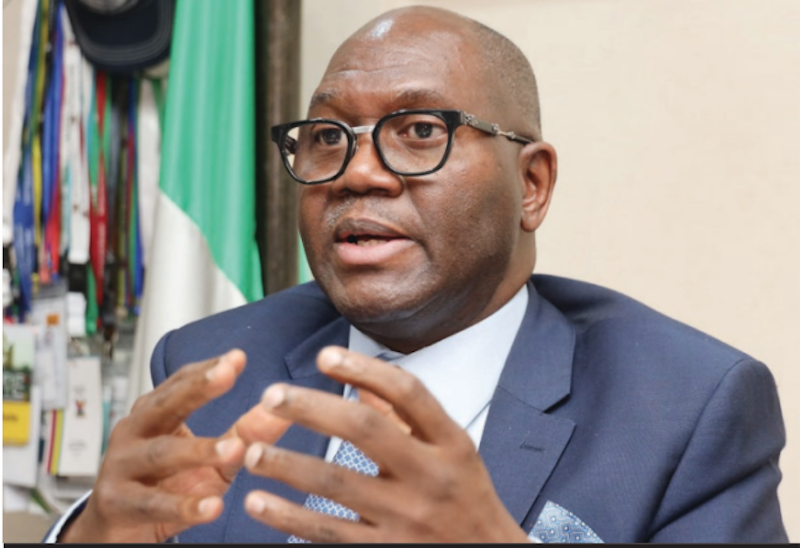

Executive Chairman of the Lagos State Internal Revenue Service (LIRS), Dr Ayodele Subair, has attributed the state’s sustained revenue growth to tax reforms initiated by President Bola Tinubu during his tenure as governor of Lagos State. Subair said this on Friday at a gala night marking the close of the 159th meeting of the Joint Revenue Board (JRB) in Lagos.
Subair noted that Tinubu’s decision to grant operational autonomy to the LIRS laid the foundation for improved tax administration and stronger revenue performance. “This story of taxation in Lagos began in earnest under our current President, who granted autonomy to the Lagos State Internal Revenue Service. Since then, the system has continued to evolve, with successive administrations building on those reforms,” he said. Subair added that the Lagos tax model had since been adopted by several states across the country.
He commended Governor Babajide Sanwo-Olu for sustaining investments in infrastructure largely funded through tax revenue, including rail development, expansion of the Bus Rapid Transit system, and improved ferry services. He disclosed that plans are underway to introduce electric ferries and boats to enhance water transportation, adding that the Red Line rail project is expected to be fully operational within one year. Subair emphasised the importance of tax compliance to development, noting a direct link between revenue generation and infrastructure delivery. “In Lagos, compliance is higher because taxpayers can see tangible results of how their money is being used,” he said.
From an economic policy perspective, the Lagos tax model demonstrates that subnational autonomy in revenue administration can drive fiscal performance. The state’s internally generated revenue has grown geometrically following the harmonisation of taxes and blocking of financial leakages. The JRB meeting, held from April 20 to April 23, brought together tax administrators from across Nigeria, including representatives of state internal revenue services, the Federal Capital Territory, and federal agencies. Delegates rode the Lagos Blue Line Rail from Marina to Mile 2 and visited Eko Atlantic City, showcasing how tax-funded infrastructure projects serve as tangible evidence of the tax-and-development nexus.