
Media Rights Agenda has urged the National Broadcasting Commission to clarify its recent advisory to broadcasters, expressing concern that vague and undefined words and phrases in the Nigeria Broadcasting Code could be misinterpreted or misapplied with unintended consequences for freedom of expression and media independence. In a notice to broadcasters dated April 17, 2026, the Commission highlighted growing concerns about breaches of the Code in news, current affairs, and political programming, underscoring the need for accuracy, fairness, balance, and professionalism as the country approaches a critical electoral period.
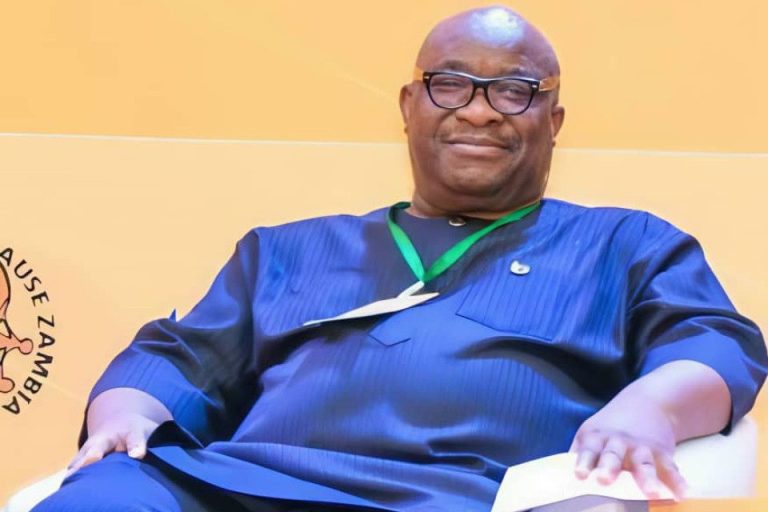
In a statement by its Executive Director, Edetaen Ojo, MRA welcomed the intervention as a necessary step to encourage responsible journalism and mitigate the risks of misinformation, hate speech, and incitement. However, Ojo expressed concern about certain aspects of the Commission’s statement and the Broadcasting Code, arguing that they could be used to undermine freedom of expression, media freedom and independence. In particular, he expressed concern about the directive that broadcasters should ensure that presenters do not express personal opinions in programmes as a matter of professional standard, as referenced in the NBC’s citation of Section 1.10.3 of the Code.
Ojo argued that a blanket restriction on presenters’ expression of opinions risks undermining legitimate journalistic formats, such as analysis, commentary, and other forms of editorial programming, which are integral to democratic discourse. He noted that the prohibition of opinions in broadcast content as a professional issue can only be limited to news bulletins and not all programming, as the NBC’s statement and the Broadcasting Code appear to be suggesting. Similarly, provisions emphasising that “all sides to an issue are equitably presented,” including the preference that such perspectives be aired within the same broadcast, may be impractical in certain editorial contexts and could inadvertently constrain editorial judgment and programming flexibility.
Ojo also expressed concern over the broad and vague framing of restrictions relating to “divisive materials” or content that may “compromise the indivisibility” of Nigeria, warning that without clear definitions and safeguards, such provisions risk suppressing legitimate public debate, dissenting views, and critical reporting. He called on the NBC to clarify and refine ambiguous provisions, recognise and protect legitimate journalistic formats, and ensure its regulatory measures are precise, proportionate, and consistent with constitutional guarantees of freedom of expression and media freedom.