South Korea has pledged $5.6 million to support child immunisation efforts in Nigeria, focusing on Lagos and several other states. The initiative aims to improve vaccine access and protect children from preventable diseases, especially in underserved communities.
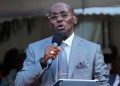
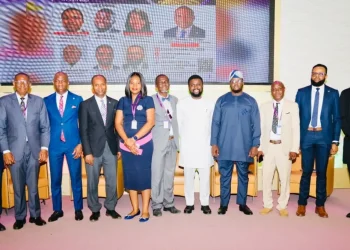
The announcement was made by the Korean Consul General to Nigeria, Sang Ho Lee, during the launch of the Republic of Korea UNICEF immunisation programme held in Badagry, Lagos. The project will target vulnerable children who have not received basic vaccines, often referred to as zero dose children.
According to officials, the programme will be implemented across 40 local government areas in Lagos, Ogun, Niger, Bauchi, Adamawa, and the Federal Capital Territory. Its goal is to expand routine immunisation coverage and strengthen healthcare delivery systems in these regions.
Explaining the purpose of the funding, Lee noted that the initiative will go beyond simply providing vaccines. It will also address deeper challenges affecting immunisation uptake. He said, “it will also address social and behavioural determinants of immunisation.”
He further highlighted why Nigeria was chosen for the intervention, stating, “The choice of Nigeria is strategic because Nigeria records a high volume of children with little or zero dose immunisation, which poses great danger to global health security.”
Local authorities welcomed the development, describing immunisation as a critical tool for saving lives. Babatunde Hunpe, chairman of Badagry Local Government Area, stressed the wider benefits of vaccination. He said, “When a child is vaccinated, we are not only protecting that one child, we are building a wall of protection around the entire community.”
Hunpe also pointed out that many deadly diseases can be prevented through vaccines. He emphasized that illnesses such as measles, polio, diphtheria, and meningitis have caused millions of deaths across Africa, adding that “yet, all of these are preventable through routine immunisation.”
The United Nations Children’s Fund also underscored the importance of the initiative. UNICEF’s Country Representative in Nigeria, Wafaa Saeed, explained that vaccines play a major role in reducing child mortality worldwide. She revealed that millions of lives are saved every year through immunisation.
However, she noted that many Nigerian children still miss out on basic vaccines. According to UNICEF estimates, about two million children in the country have not received any vaccination at all. To explain the term, she said, “When we say zero dose, we are talking about the children who are not getting a single shot of protein vaccination.”
Saeed also highlighted the broader public health impact of vaccines, noting that “communities are protected from outbreaks by vaccination. And I think our collective global health is also protected by vaccination.”
Although Nigeria was declared free of wild poliovirus in 2020, health experts warn that the fight is not completely over. Continued vaccination efforts remain essential to prevent the reemergence of the virus and other infectious diseases.
Overall, the new funding from South Korea is expected to strengthen Nigeria’s immunisation system, reduce the number of unvaccinated children, and improve health outcomes in vulnerable communities.