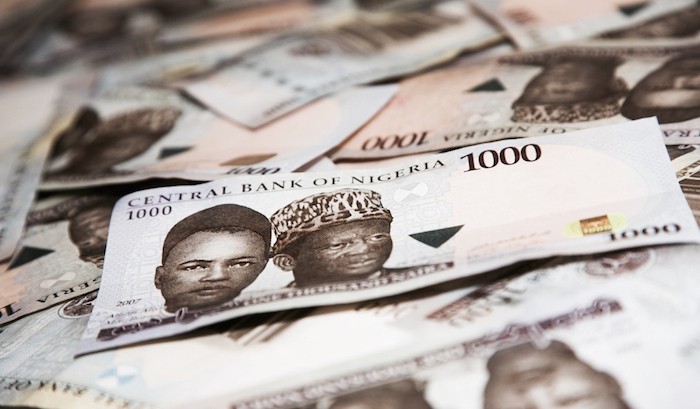

The Nigerian Naira strengthened by 1.76 percent over the last four trading days, closing at N1,356.89 per dollar, supported by aggressive liquidity tightening by the Central Bank of Nigeria (CBN). Through intensive Open Market Operations (OMO), the apex bank mopped up N2.31 trillion from the banking system, a move that successfully incentivised foreign portfolio investors (FPIs) to bring in dollars to participate in high-yield auctions. For the Nigerian economy, this “liquidity mop-up” is a primary tool for stabilising the exchange rate and curbing the speculative demand for dollars that has historically fueled core inflation.
The economic mechanics of this appreciation highlight the CBN’s shift toward a “willing-buyer, willing-seller” framework that prioritises market transparency to attract foreign capital. The N23.90 week-on-week gain in the official window was mirrored in the parallel market, where the Naira firmed to N1,400 per dollar. This narrowing of the FX gap is a vital indicator of returning confidence in the domestic financial system. However, this stability comes at a significant cost: the high interest rates required to attract FPIs increase the cost of borrowing for Nigerian businesses, potentially suppressing industrial expansion and GDP growth in the short term.
Furthermore, the gains in the currency market are being contested by a persistent decline in Nigeria’s external reserves. Data indicates that reserves dropped by $1.14 billion to $48.88 billion between March and April 2026, a decline driven by external debt service obligations and the Central Bank’s sustained interventions to manage market volatility. This “reserves-for-stability” trade-off is sustainable only as long as crude oil prices remain elevated and production volumes are maintained. Market analysts note that while the recent policy allowing international oil companies (IOCs) to fully repatriate export proceeds improves transparency, it has also contributed to short-term FX outflows, adding further pressure to the national buffer.
The investment climate remains cautiously optimistic as the market enters a consolidation phase. The CBN’s ability to maintain this equilibrium depends on its success in managing the growth-inflation trade-off. With rising oil prices tightening the apex bank’s options, the focus must remain on institutional reforms that can drive non-oil foreign exchange inflows. As the June e-invoicing deadline for large firms nears, the government is also intensifying its effort to formalise the trade sector, which could provide more accurate data for FX management and improve fiscal balances over the long term.
Ultimately, the Naira’s recent performance underscores the power of decisive monetary policy in a volatile macroeconomic environment. While OMO sales provide a necessary temporary floor for the currency, the durability of this stability will require a broader structural pivot toward export diversification and domestic manufacturing. Without a more diverse base of FX earnings, the Naira will remain vulnerable to the ebb and flow of global portfolio capital and the external shocks of the international energy market.