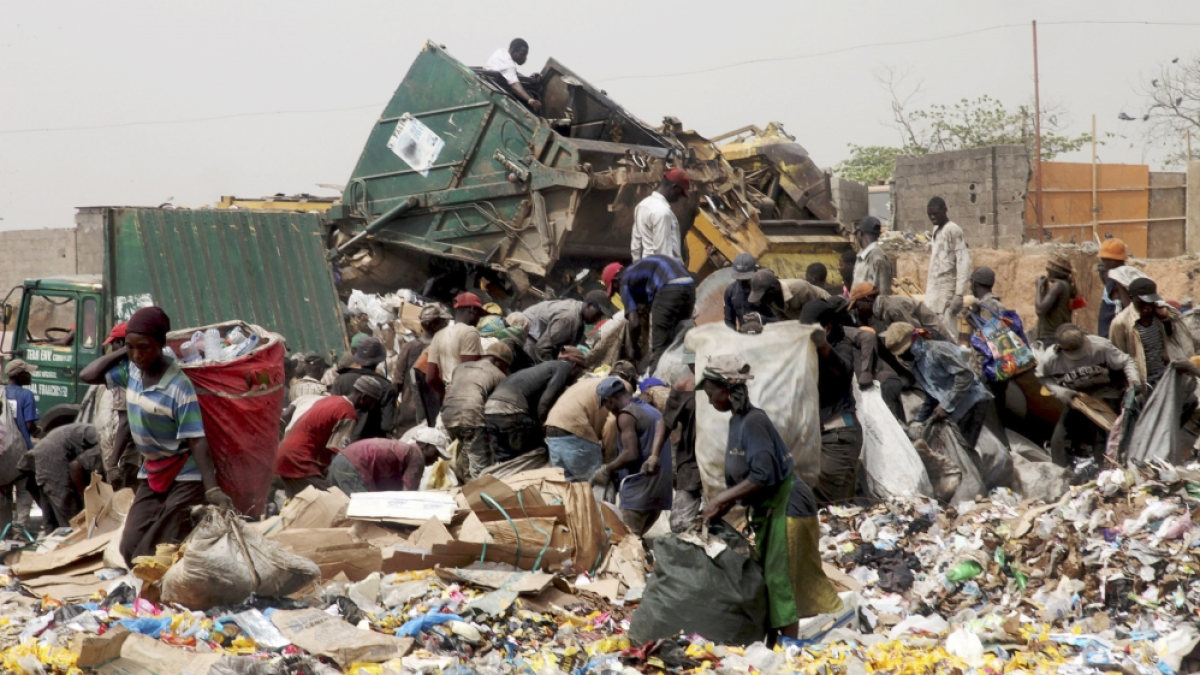

Even as Nigeria’s macroeconomic indicators begin to stabilise, the reality for millions of households tells a far darker story: poverty surged to 63 per cent in 2025, trapping about 140 million people in hardship and exposing a deepening disconnect between economic recovery and everyday survival, the World Bank has revealed. The figure underscores how slowing inflation has yet to translate into meaningful relief for citizens grappling with rising living costs and stagnant incomes.
The grim outlook was detailed in the bank’s latest Nigeria Development Update (April 2026), titled “Nigeria’s Tomorrow Must Start Today: The Case for Early Childhood Development,” unveiled in Abuja. The report paints a sobering picture of deteriorating welfare conditions, warning that recent macroeconomic gains remain largely disconnected from the lived realities of Nigerians. The poverty rate of 63 per cent represents a significant increase from previous years, with the bank noting that while headline inflation has eased, food prices and transport costs continue to consume an outsized share of household budgets.
The disconnect between macro indicators and household welfare is particularly striking. Official data shows inflation moderating to around 15 per cent from peaks above 30 per cent, and the naira has stabilised following exchange rate reforms. However, the World Bank report suggests that these improvements have not filtered down to the poorest households, where purchasing power remains severely constrained. Stagnant wages, underemployment, and the high cost of basic goods mean that even lower inflation offers little relief when starting from an already unaffordable base.
The report’s focus on early childhood development is telling. The bank argues that Nigeria’s future productivity and poverty reduction prospects depend critically on investments in nutrition, healthcare, and education for young children, particularly in the poorest households. With 140 million Nigerians now living in poverty, the scale of the challenge is immense. The report calls for targeted social protection programmes and improved service delivery at the state and local government levels, where much of the responsibility for basic services resides.