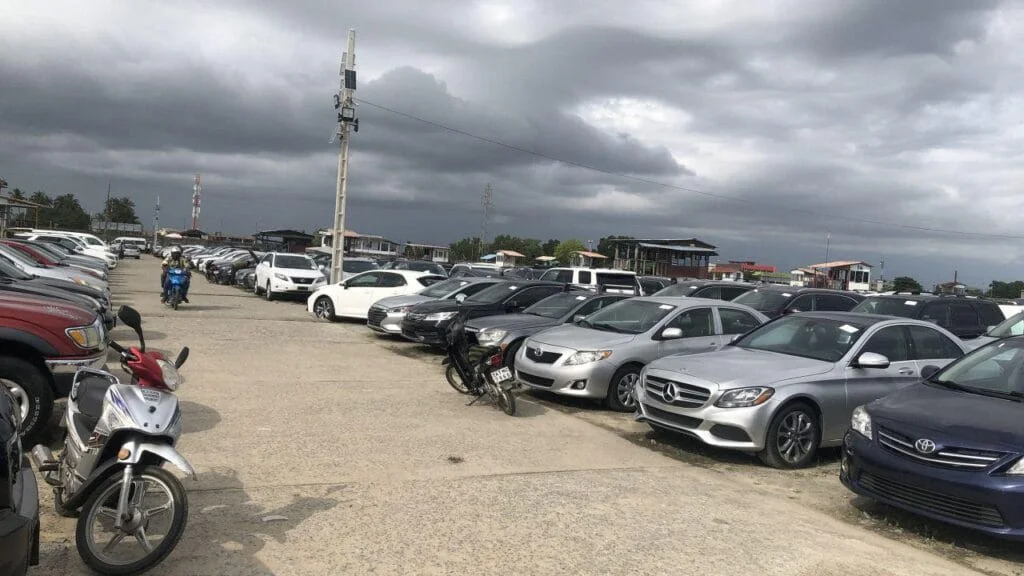

The Federal Government has unveiled a National Vehicle Dealership Registration Framework aimed at sanitising the automotive sector, enhancing traceability, and curbing fraudulent practices across the country. The Director-General of the National Automotive Design and Development Council (NADDC), Mr Joseph Osanipin, inaugurated the framework in Abuja on Friday, describing it as a long-overdue intervention to establish a comprehensive database of vehicle dealers nationwide.
Osanipin noted that the absence of reliable data on motor dealers has enabled fraudulent practices, including the sale of stolen or defective vehicles, often leaving unsuspecting buyers to face legal consequences. He cited cases where individuals purchased vehicles that later turned out to be stolen, with the buyer being arrested while the actual perpetrators remained untraceable. The new registration framework addresses this gap by ensuring that both vehicles and dealers can be traced, with authorities able to access identity information and transaction records.
From an economic perspective, the automotive sector in Nigeria has long suffered from informality, fragmented data, and weak consumer protection mechanisms. The used vehicle market, which constitutes a significant portion of vehicle transactions, has been particularly vulnerable to fraud, with stolen vehicles sometimes sold across state lines using forged documents. The new framework’s emphasis on traceability could reduce the incidence of such crimes, lowering the risk for buyers and potentially reducing insurance premiums associated with vehicle theft.
The director-general highlighted that the framework would also boost investor confidence and open access to financing for vehicle purchases. Banks have historically been reluctant to finance used vehicle purchases due to the difficulty of verifying ownership history and the risk of collateral disappearance. With a centralised database of registered dealers and traceable vehicles, financial institutions may become more willing to provide credit, potentially expanding access to vehicle ownership for individuals and small businesses.
Osanipin stated that only registered dealers would benefit from partnerships with vehicle manufacturers and other incentives under the framework. This provision creates a commercial incentive for compliance, as manufacturers and authorised distributors increasingly prefer to work with dealers who meet formal registration standards. Improved after-sales services, including warranty support and spare parts availability, are more likely to reach customers who purchase from registered dealers, creating a market-driven push toward formalisation.
On enforcement, the NADDC boss indicated that the system would largely be self-regulating, driven by consumer awareness and market forces. He expressed confidence that Nigerian consumers would systematically favour registered dealers over unregistered ones, gradually phasing out non-compliant operators. This approach relies on effective public awareness campaigns and the willingness of buyers to prioritise registered dealers even when unregistered alternatives offer lower prices.
President of the Association of Motor Dealers of Nigeria (AMDON), Prince Ajibola Adedoyin, described the initiative as a milestone for the industry, noting that it would enhance security by enabling authorities to trace vehicles used in criminal activities. He emphasised that the economy revolves around data, and that the registration exercise would facilitate credit access for dealers and buyers more easily than before. He urged unregistered dealers to comply with the new framework, warning that non-compliant operators would gradually be phased out.
The framework was developed following stakeholder engagements held in Lagos, Uyo, Kano, Bauchi and the Federal Capital Territory, reflecting a consultative approach that sought input from dealers across Nigeria’s geopolitical zones. It is a collaborative effort between NADDC, AMDON and Omnipact Ventures, and includes a digital portal for nationwide dealer registration. Registration will be continuous, with certificates renewable annually, ensuring that the database remains current and that dealers maintain compliance over time.