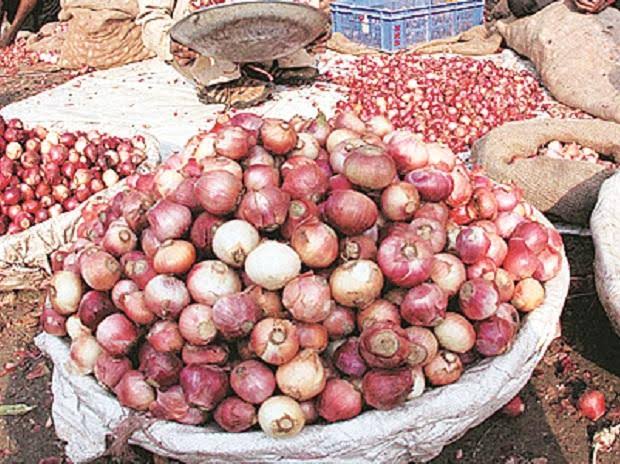

A trade dispute between Nigerian and Ghanaian onion traders has disrupted cross border supply, raising fresh concerns over regional trade and food distribution in West Africa. The crisis escalated after reports that trucks belonging to Nigerian traders were harassed and seized at Kotoku Market in Accra, prompting a swift retaliatory response from the National Onion Producers, Processors, and Marketers Association of Nigeria.
NOPPMAN President Isa Aliyu ordered an immediate suspension of onion shipments to Ghana, stating that the decision was necessary to protect traders from continued intimidation and financial losses. He stressed that exports will remain halted until safety and fair treatment are guaranteed. The standoff has unsettled market activity, with traders reporting losses and uncertainty. While calling for urgent intervention from both governments, the association also urged adherence to ECOWAS trade protocols on the free movement of goods.
From an economic perspective, the dispute threatens a trade relationship of significant importance to both countries. Nigeria remains a key onion supplier in the West African region, and Ghana depends on imports to meet domestic demand that local production cannot satisfy. The suspension of shipments will likely lead to higher onion prices in Ghanaian markets, affecting households and food businesses. Conversely, Nigerian farmers and traders who rely on the Ghanaian market will face spoilage of perishable goods and loss of income.
The timing of the dispute is particularly problematic. Onions are harvested seasonally, and traders often store them for gradual release to markets. A prolonged suspension could lead to gluts in the Nigerian market, driving down prices for farmers, while creating shortages in Ghana. The inability to move produce across borders also undermines the rationale for regional integration, as ECOWAS protocols were designed precisely to prevent such disruptions.
The dispute also highlights the vulnerability of informal cross border trade to harassment and extortion. Traders moving goods across West African borders often face multiple unofficial checkpoints, demands for bribes, and arbitrary seizures of goods. The absence of effective dispute resolution mechanisms means that aggrieved parties often resort to self help measures, such as the suspension of trade, which harms all parties. Both governments have a responsibility to ensure that their markets are safe for traders from other ECOWAS countries.
The NOPPMAN’s appeal to ECOWAS trade protocols is significant. The ECOWAS Trade Liberalisation Scheme provides for the free movement of unprocessed goods originating in member states. If Nigerian onions qualify under the scheme, the harassment of Nigerian traders in Ghana would constitute a violation of regional commitments. The ECOWAS Commission could potentially mediate the dispute, but its enforcement powers are limited. Ultimately, the governments of Nigeria and Ghana must engage directly to resolve the matter and restore normal trade relations.