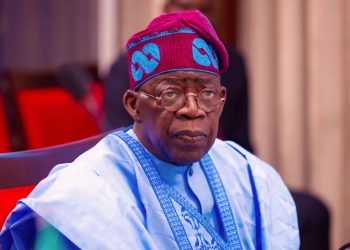
The Kwankwasiyya movement has expressed concern over Nigeria’s debt profile, which is set to hit $110.3 billion after the approval of a $6 billion external loan request by President Bola Tinubu. The group warns that continued borrowing could threaten the country’s economic stability.
In a statement, the group’s spokesperson, Habibu Mohammed, criticised both the Federal Government and the National Assembly, accusing them of enabling what he described as reckless borrowing without sufficient transparency or scrutiny. “It is deeply concerning that Nigeria is being plunged into further debt without transparent justification, broad consultation, or a clear framework for equitable utilisation,” Mohammed said.
He warned that the continued approval of loan requests raises serious concerns about fiscal discipline, accountability, and long-term sustainability. “This trend raises serious concerns about accountability and the future of our economy. Borrowing without clarity or restraint risks mortgaging the future of generations yet unborn,” he added.
The group also raised concerns about the distribution of borrowed funds, suggesting that perceived regional imbalances could deepen inequality and undermine national unity.
Mohammed further faulted the legislature for failing to effectively exercise its oversight role, alleging a pattern of approving borrowing requests without adequate debate or resistance. “The legislature is expected to safeguard the interests of Nigerians, but what we are witnessing is uncritical approvals with little accountability,” he said.
He warned that weakening institutional checks and balances could erode democratic governance, particularly when major fiscal decisions are taken without rigorous scrutiny.
“When critical decisions such as massive borrowing requests are passed without proper oversight, it undermines the essence of representative democracy,” Mohammed said.
The group called on civil society organisations, opposition parties, and citizens to demand greater accountability and transparency in government decision-making.
It also urged the Federal Government to reconsider its fiscal strategy by halting what it described as indiscriminate borrowing, ensuring equitable allocation of resources, and strengthening democratic institutions.
“Justice, balance, and accountability are essential to Nigeria’s survival and progress. Anything short of these endangers the unity and future of our nation,” Mohammed said.