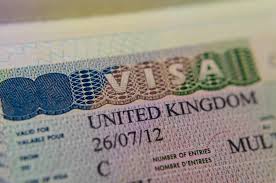

The United Kingdom has announced an increase in visa fees for individuals seeking to visit, study, work, or settle in the country, with the new charges set to take effect from April 8.
According to the UK Home Office, the fee adjustments, rising by as much as £222, form part of broader measures aimed at tightening immigration controls.
The policy changes come alongside stricter migration rules, including plans to offer failed asylum seekers up to £10,000 to voluntarily leave the country and withdraw government-funded accommodation from migrants found to be working illegally.
The government has also introduced an “emergency brake” on student visa applications from certain countries, including Afghanistan, Cameroon, Myanmar, and Sudan, following a rise in asylum claims.
Speaking on the development, Home Secretary Shabana Mahmood said the measures are intended to address increasing pressure on the UK’s immigration system.
Under the revised fee structure, short-term visit visas valid for up to six months will increase from £127 to £135. Two-year visit visas will rise by £31 to £506, while five-year and ten-year visas will increase to £903 and £1,128 respectively.
Applications for British citizenship will also become more expensive, with naturalisation fees rising from £1,605 to £1,709.
Settlement visa fees are set to increase as well. The standard route will rise from £1,938 to £2,064, while visas for individuals receiving care from relatives in the UK will see a larger jump of £222, bringing the cost to £3,635.
For refugee-dependent relatives, settlement visa fees will increase slightly from £424 to £452.
Work visa applicants will also be affected. Skilled worker visa applications made outside the UK for stays of up to three years will increase from £769 to £819, with similar percentage increases expected for longer-term visas.
Student visa fees will also rise, with the standard application increasing by £34 to £558. The graduate route visa will increase from £880 to £937 for both main applicants and their dependants.
The UK government said the changes are part of efforts to better manage migration levels while ensuring the sustainability of public services.