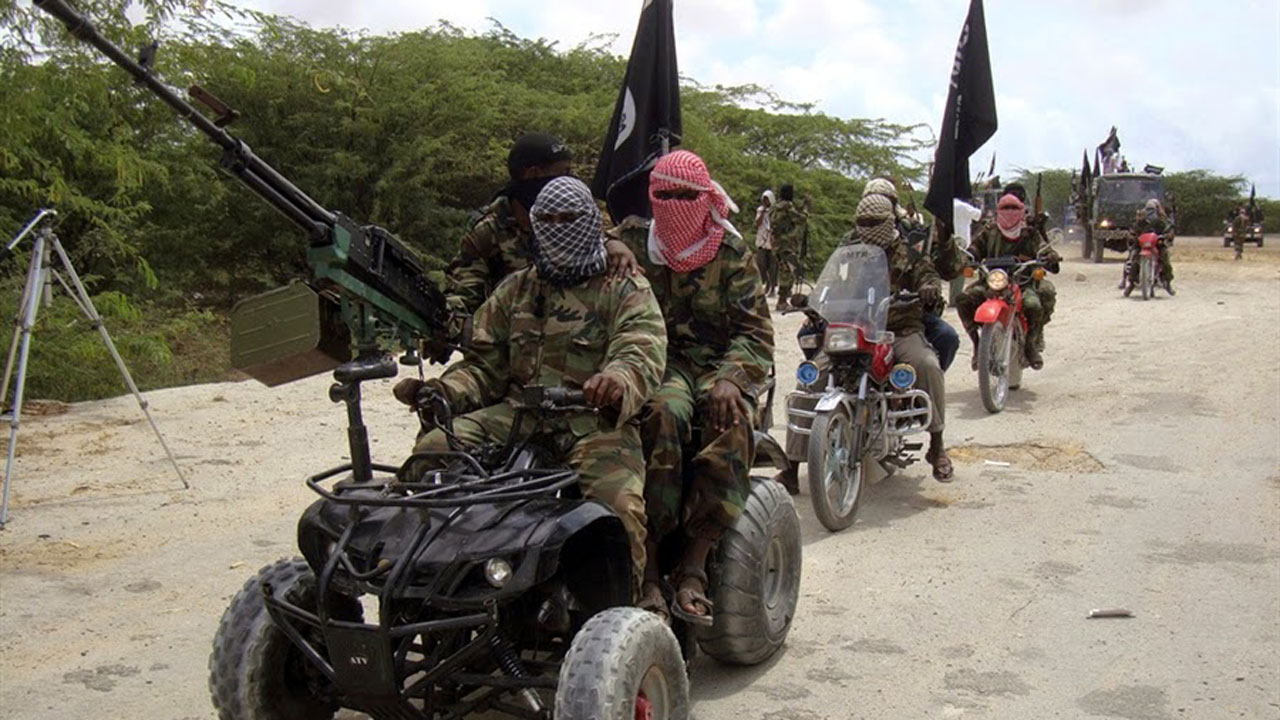

The economic landscape of Niger State’s frontier districts faced a severe disruption on Monday as suspected terrorists employed Improvised Explosive Devices (IEDs) to destroy a critical bridge along Luma Road in Borgu Local Government Area.
While the tactical intent was to stall counter-insurgency troop movements, the collateral economic damage has been immediate and profound. By severing the primary artery connecting Luma, Babana, and Agwara, the attackers have effectively choked a vital trade corridor that facilitates the flow of agricultural produce and consumer goods between Nigeria and its Beninese neighbors, signaling a move toward the economic isolation of these border communities.
The timing of the blast, occurring at 2:00 a.m. on a Monday, was strategically disastrous for local commerce, as it coincided with the commencement of the Babana major border market. This weekly hub is a cornerstone of the regional economy, where hundreds of millions of Naira in transactions occur involving livestock, grains, and manufactured imports.
The destruction of the bridge left scores of traders stranded, leading to an immediate loss of perishable goods and a sharp contraction in market liquidity. For the civilian population, this is not just a security breach but a direct threat to food security and household income, as the inability to move goods to market forces prices upward and reduces the purchasing power of the local labor force.
Infrastructure Vulnerability and the Escalating Risk for Logistics
The incident underscores a dangerous shift in insurgent strategy: targeting fixed infrastructure to create “no-go” zones for both the military and commercial entities. The reported secondary explosion, which claimed the lives of eight passengers in a commercial vehicle between Nuku and Woro, further compounds the risk profile for transport and logistics firms.
When transit routes are weaponized with IEDs, the “cost of doing business” skyrockets due to increased insurance premiums, vehicle damage risks, and the necessity for armed escorts. For the Niger State government, the challenge is now two-fold: restoring the physical integrity of the bridge and regaining the confidence of the private sector which relies on these routes for the inter-state movement of goods.
From a broader perspective, the Borgu LGA serves as a significant gateway for informal and formal cross-border trade. The disruption of this route undermines the Nigeria Customs Service’s ability to monitor and tax trade flows effectively, potentially leading to a spike in smuggling as traders seek alternative, unmonitored bush paths.
Furthermore, the prolonged closure of this bridge will likely lead to supply chain bottlenecks for essential commodities heading to the North-Central region. As the military intensifies clearance operations, the business community remains on edge, awaiting a clear signal that the state’s critical infrastructure is resilient enough to support the safe and efficient movement of trade.