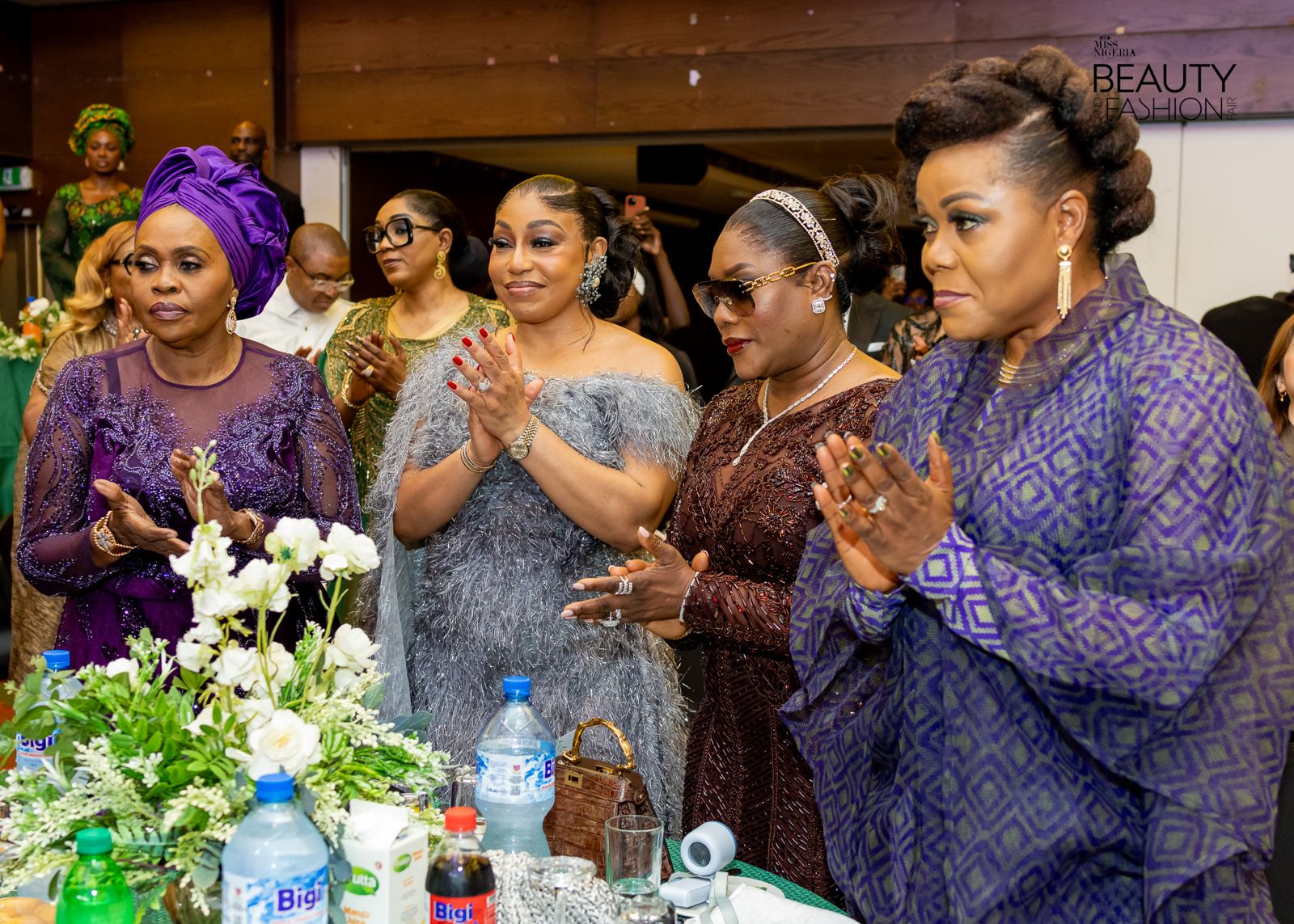

The Miss Nigeria Organisation officially inaugurated its 2026 season on March 22, 2026, with the debut of the Miss Nigeria Beauty and Fashion Fair. Held at the Grand Ballroom of the Eko Hotel & Suites in Victoria Island, Lagos, the two-day event signaled a significant pivot for the 67-year-old institution. Under the leadership of Board Chairman Rita Dominic-Anosike, the organization has unveiled a “2026 Impact Roadmap” that transitions the pageant from a traditional beauty contest into a structured leadership incubator focused on the creative economy. For the Nigerian economy, this evolution represents an intentional effort to formalize the beauty and fashion sectors, which are critical components of the nation’s non-oil GDP and youth employment strategy.
The event opened with a high-profile Patrons and Board Dinner on the evening of March 22, featuring a keynote address by Aisha Sulaiman Achimugu, CEO of Felak Concept Group. Achimugu’s address centered on the theme “She Is Made of More,” emphasizing self-discovery and mentorship as the new benchmarks for pageantry. The fair is designed as a strategic hub where emerging entrepreneurs and creative talents can interface directly with global corporate partners and investors. By securing headline sponsorships from major institutions such as Zenith Bank, MTN Nigeria, and Bvndle, the organizers have demonstrated a commitment to bridging the gap between raw creative talent and the capital necessary for enterprise growth.
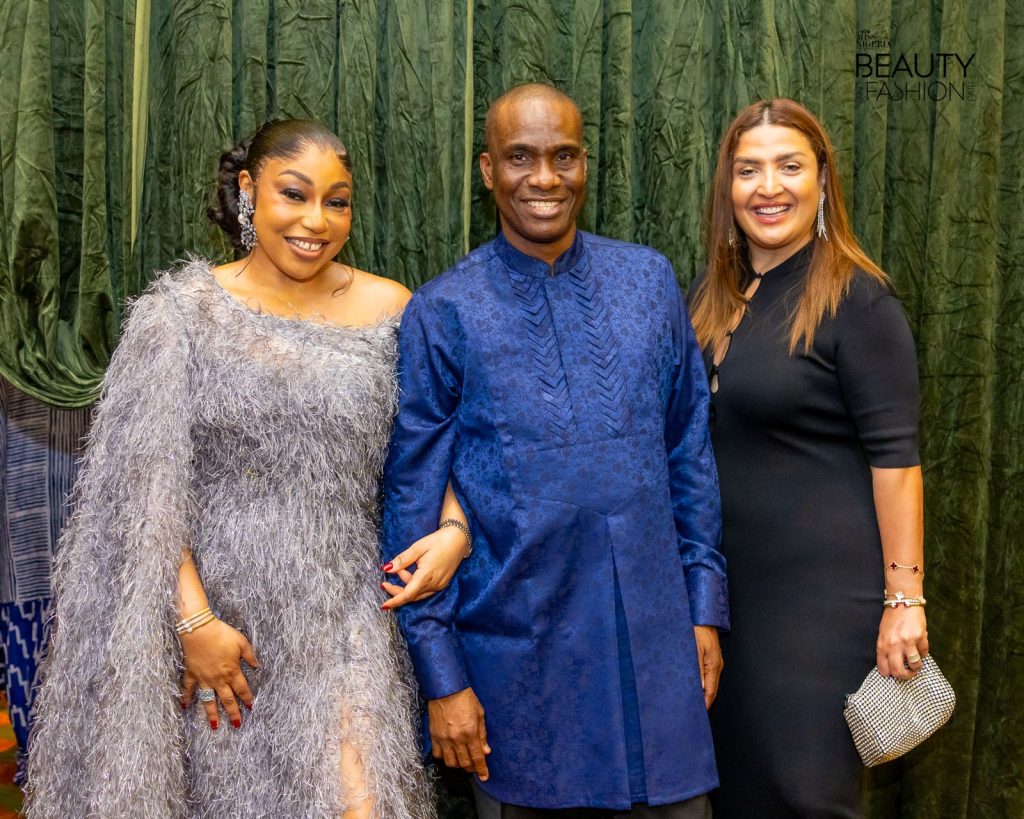
A central highlight of the weekend was the revival of the Young Designer of the Year competition (formerly the Daily Times Designer of the Year). This platform, which famously launched the career of billionaire entrepreneur Folorunsho Alakija in 1986, has been repositioned to discover the next generation of sartorial leaders. From a business journalism perspective, the integration of this competition into the Miss Nigeria roadmap serves to strengthen the “fashion value chain,” encouraging professional standards and market visibility for emerging designers. This initiative aligns with broader national efforts to promote “Made in Nigeria” goods and reduce the reliance on imported luxury apparel, thereby supporting currency stability and local manufacturing.
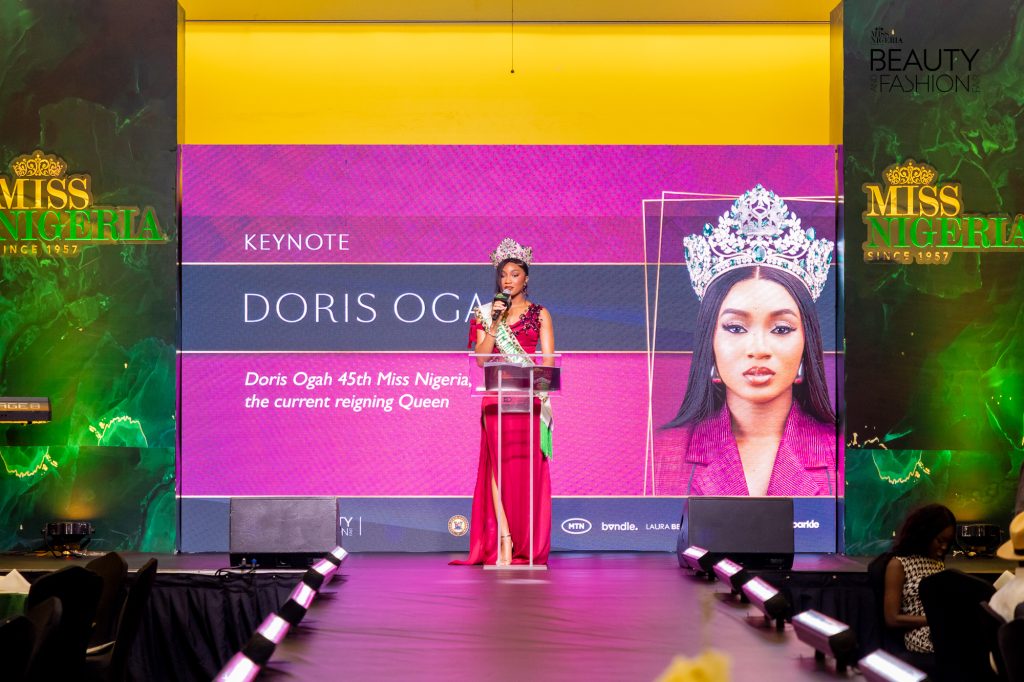
The 2026 roadmap also prioritizes digital inclusion and leadership development as its core pillars. Current titleholder Doris Ogah, the 45th Miss Nigeria, highlighted that the new season aims to equip women with the technological tools necessary to lead in the digital economy. This focus is particularly relevant given Nigeria’s burgeoning tech ecosystem, where female participation remains an area for significant growth. By leveraging the pageant’s reach to drive digital literacy and community-led projects through the Green Girl Foundation, the organization is positioning the “modern Nigerian woman” as a catalyst for socio-economic transformation rather than merely a symbol of aesthetic heritage.
Ultimately, the March 22 launch has set a sophisticated tone for the year-long journey toward crowning the 46th Miss Nigeria. The shift toward measurable impact and institutional governance reflects a maturing of the Nigerian creative industry, where cultural assets are increasingly being managed as economic drivers. As the 2026 season progresses, the success of this roadmap will be measured by its ability to foster tangible transformation in the lives of participants and its contribution to the vibrancy of Nigeria’s fashion and beauty sectors. This strategic repositioning ensures that Miss Nigeria remains a relevant and potent symbol of excellence in an increasingly competitive and digital-first global landscape.